How a Metal Roofing Company San Diego, CA Explains Standing Seam Metal Roofs and Their Function
 William Six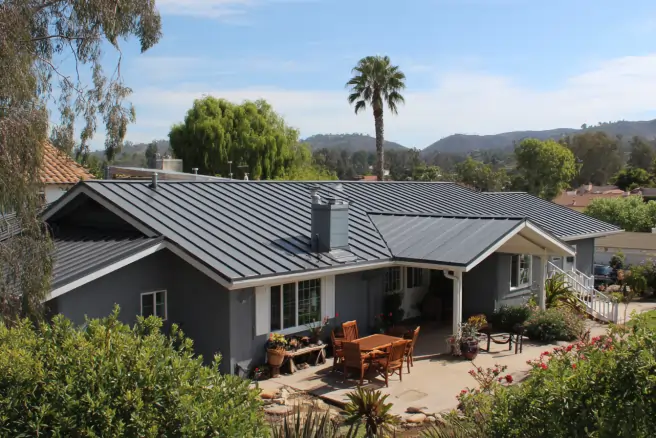
These roofs are made from either steel, aluminum, zinc, or copper panels and are known for their durability, sleek design, and weather-tightness.
- Vertical Seams: The hallmark feature of this roofing system is its raised seams that typically stand about 1 to 2 inches above the panel level.
- Hidden Fasteners: Unlike traditional metal roofs with exposed screws or nails, standing seam systems use concealed fasteners to increase durability and improve aesthetics.
- Continuous Panels: The panels run uninterrupted from the ridge down to the edges of the roof, resulting in fewer leak-prone areas.
- Thermal Movement Capability: These roofs allow for natural expansion and contraction of metal due to temperature changes without causing damage.
How It Works
- Interlocking Seams: The vertical seams interlock with one another using mechanical or snap-lock techniques. This interlocking mechanism ensures that water cannot penetrate through the seams even under harsh conditions like heavy rain or snow.
- Slope Design: Standing seam systems are particularly effective on roofs with moderate to steep slopes as they facilitate drainage and reduce water pooling issues.
- Weather Resistance: With hidden fasteners safely tucked beneath the panels, there are fewer points where moisture can enter.
Types of Panel Attachment Systems
There are several ways these panels can be connected based on the needs of your property: | Attachment Method | Description | |————————-|—————————————————————————–| | Snap-Lock Seams| Panels snap together without mechanical seaming tools, ideal for simpler installations.Mechanical Seamed Panels| Require special equipment to bend seams tightly together for enhanced weather resistance.Batten Cap Systems| Utilize separate caps over panel edges for added protection against water infiltration.
Advantages Over Other Roofing Types
Standing seam systems offer unique advantages compared to other roofing materials: – Longer lifespan due to corrosion-resistant materials. – Minimal maintenance requirements because it resists cracking and warping. – Environmentally friendly as most panels contain recyclable metals.
Whether you’re upgrading your home’s roofing system or planning a new construction project, understanding how standing seam systems work will help you make an informed decision about your investment.
Discover the Advantages of Hiring a Metal Roofing Contractor San Diego for Durable and Efficient Standing Seam Roofs
Its unique design and construction offer several advantages over traditional roofing materials, making it a top choice for residential, commercial, and industrial buildings.
Key durability features include:
– Corrosion Resistance:Most standing seam panels are coated with protective finishes such as zinc or aluminum layers to prevent rust and corrosion.High Wind Resistance:These roofs are engineered with tight seams and concealed fasteners, making them resistant to heavy winds (often up to 140 mph or higher).
– Fire Resistance:Metal roofing is non-combustible, offering added protection against fire hazards.
– Impact Resistance:Metal panels can handle hailstorms and debris impact better than many other roofing systems.
This makes them an eco-friendly option as they contribute to lower energy consumption.
Energy efficiency highlights include:
– Reflective coatings can reduce cooling costs by up to 25% during hot months. – Many panels can be customized with “cool roof” finishes that meet Energy Star standards. – Metal roofs work well with insulation systems that further improve thermal performance.
With fewer exposed components like screws or fasteners (common in other roofing types), standing seam systems require minimal maintenance over their lifespan:
– The durable surface rarely needs repair beyond occasional cleaning or inspections.
Pro Tip:Regular maintenance checks every few years will help identify minor issues before they escalate.
Metal standing seam roofs are an environmentally conscious choice:
– They are often made from recycled materials and are fully recyclable at the end of their life cycle.
| Feature | Standing Seam Metal Roof | Asphalt Shingle Roof |
| Lifespan | Up to 50+ years | ~20 years |
| Recyclability | High | Low |
| Maintenance Frequency | Minimal | Moderate/High |
The clean, modern lines of a standing seam roof enhance a building’s visual appeal, making it suitable for both contemporary designs and traditional styles. Various color options also allow homeowners or businesses to match their preferred aesthetics while maintaining functionality.
Some customization options include:
– Vertical panel designs for a streamlined look. – Multiple color choices with UV-resistant paint finishes. – Textured finishes for added depth and character.
Discover the Advantages of Hiring a Metal Roofer in San Diego for Durable and Efficient Roofing
Metal standing seam roofing has gained immense popularity in both residential and commercial markets due to its combination of durability, energy efficiency, and minimal maintenance requirements. This type of roof is designed for long-term performance, making it a smart investment for any property owner.
Exceptional Durability
- Rust Resistance: Most standing seam panels are constructed with galvanized steel or aluminum coated with protective finishes, ensuring resistance to rust and corrosion.
- Wind Resistance: The interlocking panel design provides excellent resistance against wind uplift, often enduring wind speeds up to 140 mph or more.
- Fire Resistance: Being non-combustible materials, metal roofs provide added safety by reducing fire risks.
This long-lasting strength makes them ideal in regions prone to heavy storms, extreme temperatures, or environmental stressors.
Energy Efficiency Benefits
- Cool Roof Technology: Many metal roofs come with reflective paints that reduce heat absorption by deflecting solar radiation. This helps maintain cooler indoor temperatures during summer months.
- Insulation Compatibility: Metal roofing systems can be paired with high-performance insulation materials to further reduce heat transfer into or out of the building.
This enhanced energy efficiency translates into lower heating and cooling costs year-round while reducing the overall carbon footprint of your property.
Low Maintenance Requirements
- No loose shingles or tiles prone to damage
- Minimal risk of leaks due to concealed fasteners
- Periodic cleaning removes dirt or debris but does not require intensive upkeep
These low-maintenance qualities help property owners save money over time while ensuring consistent performance.
Sustainability and Environmental Impact
Metal standing seam roofs are also an excellent choice for environmentally conscious homeowners and businesses.
| Feature | Environmental Benefit |
| Recyclable Materials | Most panels are made from recycled content and can be fully recycled at the end of their lifecycle. |
| Reduced Waste | Their durability leads to fewer replacements compared to other roof types like asphalt shingles. |
| Solar Panel Integration | Standing seams allow easy attachment points for solar panel systems without compromising structural integrity. |
By choosing a sustainable roof option like this one, you contribute positively toward reducing construction waste while promoting renewable energy solutions.
Long-Term Value
It’s an ideal choice for anyone looking for reliability without compromising on modern design aesthetics or eco-friendly principles.
While the initial cost may be higher than other roofing materials, their long-term benefits often justify the investment.
Long-Term Durability and Longevity
- Weather Resistance: Metal roofs can withstand extreme weather conditions, including heavy rain, snow, hail, and high winds.
- Corrosion Protection: Many standing seam systems are made from materials like aluminum or galvanized steel with protective coatings that resist corrosion over time.
- Fire Resistance: Metal roofs are non-combustible, offering excellent protection against fires.
This extended lifespan reduces replacement costs over time, making it a cost-effective choice for long-term property owners.
Energy Efficiency Savings
They reflect solar heat rather than absorbing it, helping regulate indoor temperatures and reducing reliance on cooling systems during warmer months. This can result in noticeable savings on energy bills over time.
- Cool Roof Options: Many standing seam systems come with paint finishes designed to enhance reflectivity.
- Compatibility with Insulation Layers: Standing seams create natural spaces where insulation can be added for improved thermal performance.
Low Maintenance Requirements
Unlike shingle-based systems that may suffer from cracking or granule loss over time, metal panels typically retain their integrity without significant upkeep.
- Periodic inspections for debris or loose fasteners
- Cleaning accumulated dirt or residue if needed
- Ensuring sealants remain intact
Fewer maintenance needs translate into both time and cost savings throughout its lifespan.
Aesthetic Appeal and Versatility
Available in a range of colors and finishes, they provide design flexibility while maintaining functionality. For businesses especially, this offers an opportunity to align branding with building aesthetics seamlessly.
| Finish Type | Description |
| Matte Finishes | Non-reflective surfaces for understated elegance |
| Glossy Coatings | Eye-catching designs with vibrant appeal |
| Textured Finishes | Mimic other materials like wood or stone |
These aesthetic options ensure that the roof enhances curb appeal while delivering structural benefits.
Environmental Benefits
- Recyclable Materials: Most metal roofing materials are fully recyclable at the end of their life cycle.
- Minimal Waste Production: Installation creates less waste compared to conventional roofing methods.
- Solar Panel Compatibility: The raised seams make it easy to attach solar panels without compromising the structure’s integrity.
By investing in a sustainable roofing solution now, you contribute positively toward environmental preservation while potentially qualifying for tax incentives related to energy efficiency upgrades.
Cost Considerations
While upfront installation costs tend to be higher compared with asphalt shingles or certain tile options, it’s crucial to view this as an investment rather than just an expense. Over time, lower utility bills combined with reduced maintenance needs help offset initial costs significantly.
- A longer lifespan means fewer replacements (saving money in decades ahead).
- Increased energy efficiency may reduce monthly expenses.
For homeowners planning on staying long-term or business owners looking at return-on-investment (ROI) potential through reduced operating expenses coupled with increased property value – a standing seam roof is likely worth every dollar spent upfront.
Ultimately assessing whether this roof type aligns best depends heavily on priorities related durability aesthetics budget constraints etc
40 to 70 years or more, depending on various factors. Below, we’ll explore what impacts the lifespan of this roofing system and how you can maximize its performance over time.
Factors Influencing the Lifespan
- Material Quality
The type and quality of metal used in the roofing system play a significant role in its longevity. - Galvanized Steel: Coated with zinc to resist corrosion; typically lasts around 40-50 years.
- Aluminum: Naturally resistant to rust and corrosion; can last up to 50 years or more.
- Copper: Highly durable with minimal maintenance requirements; often lasts well over 70 years.
- Zinc: Another premium option that offers excellent durability and can exceed a lifespan of 75 years.
- Coating and Finish
Protective coatings, such as PVDF (polyvinylidene fluoride) or SMP (silicone-modified polyester), enhance resistance to fading, chipping, and corrosion caused by harsh weather conditions. - Installation Quality
Proper installation by trained professionals like https://www.sw-metalroofing.com is essential for maximizing the roof’s lifespan. Incorrectly installed panels or fasteners can leave the roof vulnerable to leaks and wear. - Climate ConsiderationsEnvironmental factors such as extreme weather conditions—snow loads, hailstorms, intense UV exposure—can impact how long the roof remains intact without damage. Coastal properties where roofs are exposed to saltwater may require extra measures like anti-corrosive coatings.
- Maintenance Practices
- Remove debris like leaves or branches that may accumulate in seams.
- Check for loose fasteners or damaged panels.
- Ensure proper drainage by cleaning gutters regularly.
Comparative Lifespans of Roofing Materials
| Roofing Material | Average Lifespan | Key Considerations |
| Asphalt Shingles | 15–30 years | Prone to cracking, curling, and granule loss |
| Wood Shakes | 20–40 years | Requires regular treatment for rot resistance |
| Clay Tiles | 50–100 years | Heavyweight; needs reinforced structural support |
| Standing Seam Metal | 40–70+ years | Durable with minimal upkeep |
Tips for Extending the Life of Your Roof
- Schedule professional inspections at least once every two years.
- Address minor issues like scratches or dents promptly before they lead to rusting or larger problems.
- Avoid walking on the roof whenever possible since excessive foot traffic can cause panel deformation.
By selecting high-quality materials tailored to your environment and prioritizing expert installation services, you can ensure your investment continues performing reliably for decades ahead.
Understanding How San Diego Metal Roofing and Standing Seam Roofs Are Secured for Optimal Performance
Their design and method of installation ensure long-lasting performance, making them an excellent choice for residential, commercial, and industrial buildings. Below is an overview of how these roofs are attached and secured for optimal performance.
- Metal Panels: Long panels made of materials such as aluminum, steel, or copper are installed with raised seams that interlock or overlap.
- Seams: Raised seams serve as the main connection points between panels, ensuring water-tightness.
- Fasteners/Clips: Concealed fasteners or clips secure the panels to the roof deck while allowing for thermal expansion and contraction.
- Underlayment: A waterproof layer installed beneath the panels to provide additional protection against leaks.
Methods Used to Attach Standing Seam Metal Roofs
Clips are one of the most common ways to secure standing seam panels.
– Clips attach directly to the roof deck using screws or nails. – Each clip holds down one panel while allowing movement due to temperature changes. – The next panel is installed over it, covering the clip system entirely.
Clip systems offer several advantages: – Minimized exposure of fasteners prevents rusting or corrosion. – Properly spaced clips allow thermal expansion without damaging the roof structure.
This method eliminates separate clips by integrating a nail flange into each panel: – Panels come with pre-punched holes along one edge (the flange). – The flange is nailed directly into place on the roof deck. – The next panel snaps over it, covering both fasteners and flanges.
Nail flange systems are generally easier and faster to install but may not perform as well in areas with extreme weather changes.
| Method | Description | Best Use Case |
| Clip Systems | Clips hold panels securely but allow movement | High-performance applications |
| Nail Flange Systems | Integrated flanges; simpler installation | Quick installations in mild climates |
Securing for Optimal Performance
- Use high-quality screws or nails designed for metal roofing applications.
- Ensure fasteners penetrate deep enough into the decking material without causing damage.
- Installers must leave adequate space for natural expansion and contraction caused by temperature fluctuations.
- Clips designed for flexibility help accommodate this movement without compromising stability.
- A durable underlayment prevents moisture infiltration if any seams fail under severe conditions.
- Synthetic underlayments often provide superior performance compared to traditional felt materials.
- Mechanically seamed options use specialized tools to crimp adjacent panels together tightly.
- Snap-lock systems simplify alignment but may require extra care in colder climates where materials can contract significantly.
Final Thoughts on Installation Practices
Whether you choose clip systems or nail flange designs depends on your specific climate conditions, building needs, and budget priorities. By focusing on high-quality components and professional installation practices, these roofs can deliver decades of reliable service while requiring minimal maintenance over time.
This approach is not only viable in certain cases but also offers several advantages. However, there are important considerations and guidelines to ensure the process is carried out safely and effectively.
Benefits of Installing Metal Roofing Over Shingles
- Reduced Labor Costs: Eliminating the need to tear off the existing shingles saves on labor expenses.
- Minimized Waste: Avoiding shingle removal prevents unnecessary waste material from entering landfills, making this an environmentally friendly option.
- Added Insulation: The old shingle layer can act as an additional insulating layer, potentially enhancing energy efficiency.
- Shorter Project Timelines: Skipping tear-off steps speeds up the overall installation process.
Critical Considerations for Safe Installation
While this method has its advantages, careful planning is essential to ensure safety and long-term performance.
- Inspect the roof deck thoroughly to confirm it can support the weight of both the existing shingles and the new metal roofing system.
- Any signs of rot, sagging, or damage must be repaired before proceeding with installation.
- Check local building codes to confirm that installing metal roofing over shingles is permitted in your area.
- Some municipalities may have restrictions or specific guidelines for this type of roofing application.
- Install a high-quality underlayment between the shingles and metal panels. This serves as an additional barrier against moisture infiltration while ensuring smooth installation.
- Synthetic underlayments are often recommended due to their durability and resistance to mold or wrinkling.
- Ensure that appropriate fasteners are used for securely attaching the standing seam panels over shingles.
- Proper fastening also reduces noise caused by movement due to wind or temperature changes.
Potential Challenges
| Challenge | Description |
| Uneven Surface | Existing shingles may create an uneven base, impacting the aesthetics of metal panels. |
| Moisture Trapping | If not properly sealed, moisture may become trapped between layers and lead to damage. |
| Weight Limitations | Multiple roofing layers could exceed weight limits for older structures. |
- How a Metal Roofing Company San Diego, CA Explains Standing Seam Metal Roofs and Their Function
- Understanding San Diego Metal Roofing: What Is a Standing Seam Metal Roof and Why It’s Popular
- San Diego Metal Roofing: Your Complete Guide to a Successful and Durable Project
- Why San Diego Metal Roofing Is a Popular Choice for Standing Seam Residential Roofs
- Understanding Standing Seam Metal Roofs with a Trusted Metal Roofing Company San Diego, CA
- Warning Signs That Mean You Need a Metal Roofer in San Diego Immediately
- Comprehensive Guide to San Diego Metal Roofing: Everything You Need to Know
- Finding the Best Metal Roofing Company San Diego, CA: Choosing Between a Roofer and a General Contractor