Roofing Contractors

Understanding San Diego Metal Roofing: What Is a Standing Seam Metal Roof and Why It’s Popular

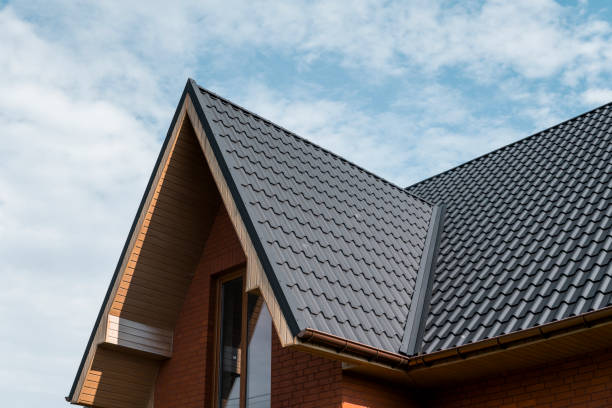
A view from above on the roof of the house. The roof of corrugated sheet. Roofing of metal profile wavy shape stock photo

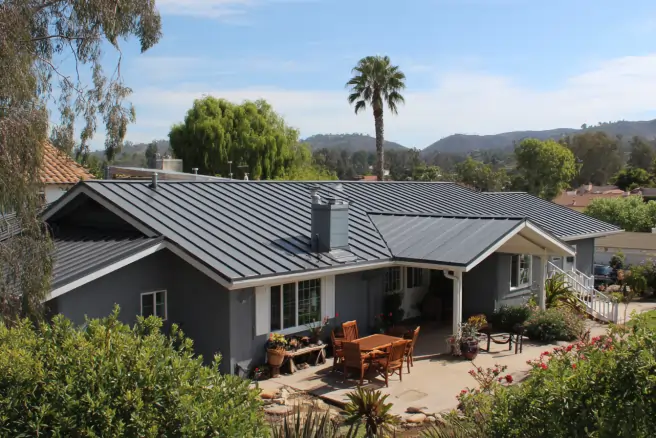
A standing seam metal roof is a type of roofing system characterized by its concealed fasteners and vertical or trapezoidal seams that rise above the panel’s flat surfaces. This roofing style is both functional and aesthetically appealing, making it one of the most sought-after options for residential, commercial, and industrial properties.

Key Features of Standing Seam Metal Roofs

Standing seam metal roofs are designed with distinct features that set them apart from other roofing systems:
Raised Seams: The seams run vertically along the roof’s slope, with raised profiles to prevent water penetration.
Concealed Fasteners: Unlike traditional roofs where screws or nails are visible, standing seam systems hide fasteners beneath overlapping panels.
Durable Materials: Most standing seam roofs are made from materials like galvanized steel, aluminum, or copper that resist wear and tear.

Why Standing Seam Metal Roofs Are Popular

  1. Exceptional Durability
    Standing seam metal roofs are renowned for their long lifespan — often lasting 40 to 70 years depending on the material used. The durable construction resists corrosion, cracking, and impacts from hail or debris.
  2. Low Maintenance
    Unlike traditional shingle roofs that require frequent repairs due to weathering or missing shingles, standing seam roofs demand minimal upkeep thanks to their robust structure.
  3. Weather Resistance
    The raised seams and concealed fasteners make these roofs highly effective at shedding rainwater and snow. Their ability to withstand harsh climates — including high winds and heavy rainfall — enhances their appeal in areas prone to extreme weather conditions.
  4. Energy Efficiency
    Many standing seam panels come with reflective finishes or coatings that help reduce heat absorption during the summer months. As a result, property owners can enjoy lower energy bills by reducing cooling costs.
  5. Sleek Aesthetic Appeal
    The clean lines of standing seam metal roofs offer a modern and streamlined appearance that complements various architectural styles.
  6. Environmentally Friendly Option
    Standing seam systems are often made with recyclable materials like aluminum or steel, making them an eco-friendly choice for environmentally conscious homeowners and businesses.
Feature Benefit
Raised Seams Prevents water penetration
Concealed Fasteners Creates a sleek look & protects against rusting screws
Durable Materials Provides longevity & resistance to extreme weather
Reflective Coatings Enhances energy efficiency by reducing heat absorption

Popular Applications of Standing Seam Metal Roofs

  • Residential Properties: Used on modern homes for clean aesthetics and improved energy performance.
  • Commercial Buildings: Ideal for offices or retail spaces due to their durability.
  • Industrial Facilities: Perfect for warehouses where strength against environmental elements is critical.
  • Agricultural Structures: Utilized in barns or storage units due to low maintenance needs.

Standing seam metal roofing has earned its popularity through its combination of strength, elegance, longevity, and versatile functionality—making it an excellent investment for any property owner considering a long-term solution tailored to both form and function.

Understanding Standing Seam Roofs by a Leading Metal Roofing Company San Diego, CA

A standing seam metal roof is a highly durable and visually appealing roofing option that has gained significant popularity in both residential and commercial construction. This type of roofing system is defined by its clean, vertical lines and concealed fasteners, which create a sleek, modern appearance while offering superior performance.

Key Features of a Standing Seam Metal Roof

  • Vertical Panels: The roof consists of long, vertical panels that extend from the ridge to the eave.
  • Raised Seams: Seams are elevated above the panel surface and typically interlocked to prevent water infiltration.
  • Hidden Fasteners: Fasteners are concealed beneath the panels for enhanced aesthetics and reduced exposure to weather elements.
  • Durable Materials: Typically constructed from high-quality metals like aluminum, steel, zinc, or copper.

Reasons for Its Growing Popularity

Standing seam metal roofs are becoming increasingly popular due to their distinct set of benefits. Homeowners and business owners alike recognize their value for both functionality and aesthetics.

  1. Compared to traditional asphalt shingles with lifespans of 20–30 years, standing seam roofs can last 50 years or more with proper maintenance.
  2. Metals like aluminum or zinc are naturally resistant to corrosion, further extending their lifecycle.
  3. The concealed fastener design minimizes the risk of leaks compared to exposed fastening systems.
  4. These roofs can withstand heavy rain, strong winds, snow loads, and even hail impacts without compromising their structure.
  5. Many standing seam metal roofs feature reflective coatings that reduce heat absorption, leading to lower cooling costs during hot weather.
  6. Some systems are compatible with solar panel installations due to their durable construction.
  7. Unlike traditional roofing materials that may require frequent repairs or replacements over time, standing seam roofs demand minimal upkeep.
  8. Their smooth surfaces prevent debris buildup and allow snow or rainwater to easily slide off.
  9. Most standing seam metal roofs are made from recyclable materials.
  10. At the end of their life cycle, they can be repurposed rather than ending up in landfills.

Applications Across Different Property Types

Standing seam metal roofs are versatile enough for various applications: – Residential Homes: Homeowners prefer them for their modern design and long-term savings on energy bills. – Commercial Buildings: Businesses choose these systems for durability under demanding conditions while maintaining professional aesthetics. – Agricultural Structures: Farms use them on barns or storage units because of their resilience against harsh environmental factors.

Feature Asphalt Shingles Standing Seam Metal Roofs
Lifespan ~20–30 years ~50+ years
Maintenance Needs Moderate Low
Weather Resistance Moderate High
Eco-Friendly Low High

Through a combination of visual appeal and robust performance attributes, standing seam metal roofs offer an exceptional solution for those seeking long-term value in their roofing investment. Their rising popularity reflects consumer demand for sustainable materials combined with innovative design options suitable for various property types.

Step-by-Step Guide to Choosing the Best Metal Roofing Contractor San Diego for Standing Seam Roof Installation

Installing a standing seam metal roof requires precision, planning, and attention to detail. This roofing system is renowned for its durability, sleek appearance, and long-term performance. Below is a step-by-step guide to help you understand the installation process.

Step 1: Preparation and Inspection

Before beginning the installation process: – Inspect the roof deck: Ensure the surface is clean, dry, and structurally sound. Repair any damages to avoid future issues. – Remove old roofing material: If applicable, strip off the existing roofing material unless installing over an approved underlayment. – Measure accurately: Take detailed measurements of the roof’s dimensions to calculate the materials required. – Check for ventilation needs: Proper ventilation prevents moisture buildup under the panels.

Step 2: Gather Essential Tools and Materials

Having the right tools and materials on hand ensures smooth installation. Key items include: – Metal roofing panels (customized to fit your roof dimensions) – Fasteners (screws with neoprene washers) – Underlayment or waterproofing membrane – Clips or clamps for securing panels – Sealant tape – Snips, drills, measuring tape, and safety gear

Step 3: Install Underlayment

The underlayment acts as a moisture barrier beneath the metal roof: 1. Roll out a high-quality synthetic or felt underlayment across the roof deck. 2. Secure it with staples or nails while ensuring overlap at seams for continuous coverage. 3. Pay extra attention around valleys, ridges, and penetrations (e.g., chimneys or vents) by adding an additional waterproofing layer.

Step 4: Position Clips or Clamps

Standing seam systems rely on concealed fasteners: 1. Attach clips or clamps along pre-marked lines on the deck according to panel spacing guidelines provided by manufacturers. 2. Ensure clips are securely fastened as they anchor panels without visible screws.

Step 5: Install Panels

This step involves careful placement of metal panels: 1. Start from one edge of the roof and work horizontally across. 2. Place each panel so that it overlaps with adjacent sections while locking into clips/clamps. 3. Use sealant tape along seams if specified for additional weatherproofing.

Common types of panel connections include: | Type | Description | |———————-|———————————-| | Snap-lock | Panels snap together without extra tools | | Mechanically seamed | Panels are manually crimped using a special tool |

Step 6: Secure Edges and Trim Pieces

To ensure stability and aesthetics: – Install rake trim on gable ends to protect against wind uplift. – Add ridge caps at peaks for seamless coverage and ventilation allowance where necessary. – Flashing should be applied around vents, chimneys, skylights, etc., to prevent water intrusion.

Step 7: Final Inspection

After installation is complete: – Double-check panel alignment for uniformity. – Inspect fasteners to ensure they are tight but not overtightened (to avoid damage). – Conduct a water test by spraying water over specific areas to check that seams are watertight.

Key Steps for Hiring a Metal Roofer in San Diego

Step Description
Preparation Inspect deck; measure dimensions
Tools & Materials Gather panels, clips/clamps, sealants
Underlayment Install waterproof barrier
Clip Installation Secure hidden fasteners
Panel Placement Position panels with overlap
Edge/Trim Installation Add protective trim pieces
Final Check Inspect alignment; test watertightness

Proper execution of these steps can ensure long-lasting performance from your standing seam metal roof while enhancing your property’s value and protection from weather elements.

Modern roof covered with tile effect PVC coated brown metal roof sheets. stock photo

Step-by-Step Overview of San Diego Standing Seam Metal Roof Installation Process

Installing a standing seam metal roof requires precise execution to ensure its durability, functionality, and aesthetic appeal. Below is an in-depth guide to the process, including preparation, installation steps, and best practices.

1. Preparation and Planning

  • Roof Inspection: Evaluate the roof structure for damage or wear. Ensure it can support a standing seam system.
  • Measurement: Accurately measure the roof area to determine material requirements. Include allowances for overlaps and waste.
  • Material Selection: Choose high-quality metal panels (e.g., aluminum or steel), fasteners, underlayment, and accessories based on your climate and design preferences.
  • Safety Checks: Ensure proper safety equipment is available, such as harnesses, ladders with stabilizers, gloves, and non-slip shoes.

2. Essential Tools Required for Installation

Tool Name Purpose
Metal panel seamer Secures seams between panels
Tin snips/shears Cuts metal roofing panels
Drill or screw gun Fastens screws through clips
Measuring tape Ensures accurate alignment
Chalk line Creates guiding lines for panel placement

3. Installing Underlayment

The underlayment serves as a moisture barrier and provides additional protection against leaks.

  • Clean the roof deck to remove debris or dirt.
  • Roll out waterproof underlayment horizontally across the roof deck.
  • Nail down or adhere the underlayment securely per manufacturer instructions.
  • Overlap each layer by 4–6 inches to prevent gaps.

4. Attaching Clips

  • Mark attachment points using chalk lines to ensure proper alignment.
  • Attach clips along these markings with screws at regular intervals (usually every 12–24 inches).
  • Ensure all clips are properly seated to avoid movement during panel installation.

5. Installing Standing Seam Panels

  1. Start at one end of the roof edge.
  2. Place the first panel over installed clips while aligning it with chalk lines.
  3. Securely fasten each panel using concealed screws that attach to pre-installed clips.
  4. Hook subsequent panels onto adjacent ones by interlocking their seams vertically.
  5. Use a mechanical seamer tool if necessary to crimp connected seams securely.

6. Flashing & Edge Details

  • Install ridge caps at roof peaks for ventilation and water resistance.
  • Add drip edges along eaves to redirect water runoff effectively.
  • Use corner flashing around chimneys or vents for added sealing integrity.

Best Practices During Installation

  1. Avoid over-tightening fasteners; this could distort panels or compromise clip efficiency.
  2. Align seams uniformly across rows for enhanced visual appeal.
  3. Confirm that sealant applications are continuous without interruptions or gaps near vulnerable areas like ridges or valleys.

Standing seam roofing offers unmatched longevity when installed correctly while maintaining its sleek appearance over time through meticulous craftsmanship during this process.

Essential Materials Needed for Installing a Metal Roof System

When installing a standing seam metal roof system, having the right materials and tools is critical to ensuring durability, efficiency, and aesthetic appeal. This section provides an overview of the essential components and materials required for the installation process.

Core Materials for Metal Roofing Installation

  • Aluminum: Lightweight and corrosion-resistant.
  • Galvanized Steel: Durable with a protective zinc coating to prevent rusting.
  • Copper: Known for its longevity and natural patina over time (often used in high-end projects).
  • Snap-Lock Panels: Easier to install; suitable for lower-pitch roofs.
  • Mechanical Seam Panels: Ideal for steeper slopes or areas prone to extreme weather conditions.
  1. Fasteners
    Proper fasteners are essential to secure panels without compromising their structural integrity or water resistance. Choose fasteners that are:
  2. Corrosion-resistant (e.g., stainless steel or galvanized).
  3. Compatible with the roofing material to avoid chemical reactions.
  4. Underlayment
    A high-quality underlayment forms the first line of defense beneath the metal panels. Common options include:
  5. Synthetic Underlayment: Lightweight, durable, and resistant to tearing.
  6. Self-Adhering Membranes: Ideal for areas prone to ice dams or heavy rainfall as they provide superior waterproofing.
  7. Flashing
    Flashing is used to cover roof edges, valleys, joints, and penetrations (e.g., chimneys or vents) where leaks are more likely to occur:
  8. Types include step flashing, drip edge flashing, and ridge cap flashing.
  9. Material should match the metal panels for uniformity and durability.
  10. Sealants
    Appropriate sealants ensure watertight seals at seams, joints, or hard-to-reach areas:
  11. Silicone-based sealants work well with most metals due to their flexibility and UV resistance.
  12. Ventilation Components
    Efficient ventilation prevents moisture buildup under the roof while maintaining temperature control:
  13. Ridge Vents
  14. Soffit Vents

Tools Needed During Installation

Tool Name Purpose
Metal Cutting Shears For precise cuts on panels during customization
Seaming Tools Used for locking panel seams together securely
Drill/Driver Required for fastening screws
Tape Measure & Chalk Line For accurate measurements and alignment
Safety Gear Includes gloves, harnesses, goggles – essential when working on roofs

Why Quality Materials Matter

Using high-quality materials not only ensures a longer lifespan of your standing seam metal roof but also minimizes maintenance costs over time. Moreover, premium components contribute significantly to energy efficiency by improving insulation properties and reflecting heat away from your property.

Proper preparation with these materials provides both homeowners and contractors with peace of mind while delivering a durable roofing system capable of withstanding various environmental conditions effectively.

Understanding the Advantages of Standing Seam Roofs Over Other Roofing Options

Standing seam metal roofs have become a popular choice for both residential and commercial properties due to their durability, aesthetic appeal, and high performance. When compared to other roofing materials such as asphalt shingles, clay tiles, or wood shakes, standing seam roofs offer unique advantages that make them a superior option for long-term investment.

Durability and Longevity

  • Resistance to Weather: Standing seam roofs are highly resistant to harsh weather conditions such as heavy rain, snow, hail, and strong winds.
  • Corrosion Protection: Modern metal panels often come with anti-corrosion coatings like zinc or aluminum to prevent rust over time.
  • Longevity: These systems can last 40–70 years depending on the type of metal used (e.g., aluminum vs. steel), far outlasting asphalt shingles which typically last 20–25 years.
Roofing Material Average Lifespan Maintenance Requirements
Asphalt Shingles 20–25 Years Moderate
Clay Tiles 50–100 Years High
Standing Seam Metal 40–70+ Years Low

Aesthetic Versatility

  • Available in a range of colors and finishes to match your design preferences.
  • Can mimic traditional materials like slate or wood while offering superior performance.
  • Enhances curb appeal for residential homes or commercial buildings.

Energy Efficiency

  • Cool Roof Technology: Reflects solar heat rather than absorbing it, reducing cooling costs during hot seasons.
  • Insulation Benefits: Paired with proper underlayment, these systems minimize energy loss in colder months.

According to studies from the U.S. Department of Energy, metal roofs can reduce cooling costs by up to 25% when compared with asphalt shingles.

Environmental Sustainability

  • Made from recyclable materials (often containing recycled content).
  • Fully recyclable at the end of their lifespan.
  • Lightweight construction reduces transportation emissions during installation.

Low Maintenance Requirements

  • Hidden fasteners reduce risks of leaks caused by loose screws or bolts.
  • Durable finishes protect against fading or chalking over time.
  • Periodic cleaning is sufficient for maintaining their aesthetic appeal and structural integrity.

Weatherproof Design Features

  1. Panels interlock using raised seams (typically around 1–2 inches high) which ensure watertightness.
  2. No exposed screws mean fewer opportunities for water infiltration or fastener failure due to temperature fluctuations.
Comparison Table: Standing Seam vs Other Roof Types
Feature Standing Seam Metal Roofs Asphalt Shingles Clay Tiles
Lifespan 40–70+ years 20–25 years 50–100 years
Maintenance Low Moderate High
Weather Resistance Excellent Moderate Good
Installation Cost Higher Initial Investment Lower Initial Investment High Cost

By evaluating these critical factors alongside your budget and long-term goals, it becomes clear why standing seam metal roofs stand out among other roofing solutions available on the market today. Their combination of strength, efficiency, sustainability, and style makes them an excellent choice for both homes and businesses alike.

Understanding the Advantages of Standing Seam Roofs Over Other Roofing Options

Standing seam metal roofs are becoming increasingly popular due to their durability, weather resistance, and sleek design. Compared to other roofing options like asphalt shingles, tiles, or wood shakes, standing seam roofs offer several distinct advantages that make them a preferred choice for both residential and commercial properties.

Superior Durability and Longevity

Standing seam metal roofs are renowned for their exceptional lifespan. While traditional roofing materials such as asphalt shingles typically last 20–30 years with proper maintenance, standing seam roofs can last 50 years or more. Factors contributing to their longevity include:
Corrosion Resistance: Most standing seam panels are made from metals like aluminum or coated steel that resist rust and corrosion.
Strength Against Weather: These roofs withstand heavy snow loads, high winds (up to 140 mph in many cases), and hail far better than other materials.
Fire Resistance: Metal is a non-combustible material, making it an ideal option for regions prone to wildfires.

Comparison of Roofing Materials Average Lifespan (Years) Maintenance Requirements Fire Resistance Rating
Asphalt Shingles 20–30 High Moderate
Wood Shakes 15–25 High Low
Clay Tiles 50+ Moderate High
Standing Seam Metal Roofs 50+ Low High

Minimal Maintenance Requirements

Compared to traditional roofing systems, standing seam metal roofs require little upkeep over their lifespan. Key maintenance benefits include:
– No need for frequent shingle replacement or patching due to missing pieces.
– Panels with hidden fasteners reduce risks of water penetration or thermal expansion issues. – Coated finishes maintain the roof’s color and appearance without frequent cleaning or repainting.

Enhanced Energy Efficiency

A significant advantage of standing seam metal roofs is their energy efficiency. They reflect solar heat rather than absorbing it like darker materials such as asphalt shingles, leading to cooler indoor temperatures during summer months. Key features contributing to energy savings include:
Cool Roof Coatings: Many standing seam panels come with reflective coatings that reduce heat buildup.
Insulation Options: Metal roofing systems can be easily paired with high-quality insulation layers for improved thermal performance year-round.

Sleek Aesthetics and Versatile Design Options

Modern homeowners often prioritize aesthetics alongside performance when choosing a roofing system. Standing seam metal roofs offer a clean, contemporary look that complements architectural styles ranging from minimalist homes to industrial buildings. Versatility in design includes options such as:
– Multiple panel colors and finishes (matte, glossy, metallic).
– Vertical seams create modern visual appeal. – Customizable panel sizes tailored for unique roof shapes.

Environmental Sustainability

Standing seam metal roofs provide eco-conscious benefits that align with growing environmental awareness among property owners:
1. Recyclable Materials – Most panels are made from recycled metals and can be fully recycled at the end of their lifespan. 2. Reduced Waste – Unlike asphalt shingles which contribute significantly to landfill waste after removal, metal panels have minimal environmental impact. 3. Energy Efficiency Benefits – Reduced HVAC demand directly lowers carbon emissions associated with heating/cooling systems.

By offering superior durability, low maintenance requirements, energy efficiency advantages, aesthetic flexibility, and sustainability benefits over other roofing options such as asphalt shingles or clay tiles, standing seam metal roofs present an investment-worthy choice for long-term property protection paired with modern design sensibilities.


San Diego Metal Roofing: Your Complete Guide to a Successful and Durable Project

Detail of house roof structure covered with brown metal tile sheets. stock photo

Understanding the basics of these roofing systems is essential for ensuring a successful project. Below, we provide an overview of what metal roofing panels are, their key features, and how they contribute to long-lasting structures.

  • Steel (Galvanized or Galvalume)

Each material offers unique properties such as corrosion resistance, strength, or lightweight construction.

  1. Resistant to harsh weather conditions (e. g. , heavy rain, snow, hail).
  2. Longevity often exceeds 40–70 years when properly maintained.
  3. Reflective coatings reduce heat absorption, lowering cooling costs during warmer months.
  4. Compatible with solar panel installations for sustainable energy solutions.
  5. Minimal upkeep compared to traditional shingles or tiles. Regular inspections can extend their lifespan further.
  6. Non-combustible materials provide added safety in fire-prone areas.
  7. Available in various styles, colors, and finishes to complement architectural designs.
Type Features Common Uses
Standing Seam Interlocking seams for water-tightness; clean aesthetic Residential and commercial
Corrugated Metal Wavy pattern adds strength; lightweight Agricultural buildings; garages
R-panel Affordable option with exposed fasteners Industrial facilities
Flat Lock Panels Smooth finish; ideal for modern designs High-end residential

Advantages Over Other Roofing Materials

  • Longevity: Asphalt shingles typically last 20–30 years while metal roofs endure up to three times longer.
  • Weight: Lightweight design minimizes stress on the structure’s framework.
  • Eco-Friendly: Most metal panels are recyclable at the end of their lifespan.

Installation Tips for a Durable Project

To ensure a successful installation process: 1. Choose high-quality materials suitable for your climate and building requirements. 2. Work with professional installers who understand proper techniques for fastening and sealing. 3. Consider adding underlayment for extra insulation and moisture protection. 4. Ensure ventilation systems balance indoor air flow efficiently beneath the roof system.

By selecting the right materials and following best practices during installation, you can create a durable roof that enhances both the functionality and appearance of your property.

Discover Why Choosing a Metal Roofing Company San Diego, CA Ensures Energy Efficiency, Durability, and Cost-Effectiveness

Whether you’re building a new structure or replacing an existing roof, understanding these benefits can help you make an informed decision.

Energy Efficiency

One of the standout benefits of metal roofing is its ability to improve energy efficiency. A metal roof can significantly reduce cooling costs during warmer months by reflecting solar heat rather than absorbing it.

Here are some ways metal roofing contributes to energy savings: – Reflective Coatings: Many metal panels come with reflective paint finishes or coatings that minimize heat absorption.Thermal Emissivity: Metal roofs release absorbed heat more quickly than traditional materials like asphalt shingles.Cool Roof Technology: Some panels meet cool roof standards established by programs like ENERGY STAR®, providing even greater energy savings.

Homeowners and businesses often see reduced utility bills because their HVAC systems don’t need to work as hard to maintain comfortable indoor temperatures.

Durability

When it comes to longevity, few roofing materials compare to metal.

Key features that contribute to the durability of metal roofs include: – Resistance to Weathering: Metal panels withstand harsh weather conditions such as heavy rain, snow, hail, and high winds without significant damage.Fire Resistance: Metal is non-combustible and provides excellent fire protection.Corrosion Resistance: Many types of metal roofing, such as aluminum and coated steel panels, are highly resistant to rust and corrosion.Minimal Maintenance Needs: Unlike other roofing options that may require frequent repairs or replacements over time, a well-installed metal roof only requires occasional inspections and cleanings.

Cost-Effectiveness

Although the initial investment for a metal roof may be higher than alternatives like asphalt shingles or wood shakes, its long-term cost-effectiveness makes it an attractive option.

Factor Metal Roofing Panels Traditional Roofing (e.g., shingles)
Lifespan 40–70+ years 15–30 years
Maintenance Costs Low Moderate/High
Replacement Frequency Rare Frequent
Energy Savings High Moderate

By choosing a material with superior durability and lower maintenance needs, property owners ultimately save money over time despite the higher upfront costs.

In addition to energy efficiency, durability, and cost-effectiveness, there are other advantages worth considering: – Eco-Friendly: Many metal roofs are made from recycled materials and are fully recyclable at the end of their lifespan. – Lightweight: Metal panels weigh less than most traditional roofing materials, reducing structural strain on buildings. – Versatile Design Options: Available in various colors, finishes, and profiles that mimic traditional roofing styles while offering superior performance.

Overall, investing in a quality metal roof ensures not only reduced costs over its lifetime but also increased comfort and peace of mind for property owners.

Choosing the Best Metal Roofing Contractor San Diego: Understanding Popular Panel Profiles and Options

When selecting the right metal roofing panels, understanding the various profiles available is crucial. Each panel profile has unique features, aesthetics, and performance characteristics that make it suitable for specific applications. Below, we explore some of the most popular metal roofing panel profiles to help you determine which option is best suited for your project.

Common Metal Roofing Panel Profiles

  1. Description: These panels feature raised seams that interlock to create a sleek and modern appearance.
  2. Applications: Ideal for residential, commercial, and architectural projects where aesthetics are a priority.
    • Concealed fasteners for a clean look
    • Excellent weather resistance due to watertight seams
    • Long lifespan with minimal maintenance
  3. Description: Known for their wave-like pattern, corrugated panels have been a staple in metal roofing for decades.
  4. Applications: Commonly used in agricultural, industrial, or rustic-style buildings.
    • Lightweight yet durable design
    • Affordable and easy to install
    • Offers excellent rainwater drainage
  5. Description: Ribbed panels are flat sheets with raised ribs spaced evenly across their surface.
  6. Applications:Suitable for commercial and industrial projects as well as barns or workshops.
  7. Key Features:
    • Cost-efficient compared to standing seam systems
    • Quick installation due to exposed fasteners
    • Moderate strength & durability

Comparison Table of Metal Roofing Profiles

Panel Type Aesthetic Appeal Ease of Installation Durability Cost Effectiveness
Standing Seam Modern & Sleek Moderate High Higher Initial Investment
Corrugated Rustic & Industrial Easy High Budget-Friendly
Ribbed (R-Panel) Versatile Easy Moderate Affordable

Factors to Consider When Choosing a Profile

  • Climate Conditions: If you live in an area with heavy rainfall or snow loads, consider profiles like standing seam or corrugated panels that offer superior water drainage and structural integrity.
  • Budget Constraints: While standing seam offers premium durability and style, ribbed or corrugated options may provide greater cost savings without compromising basic performance needs.

Matching Profiles with Aesthetic Goals

Your roof’s visual impact plays an integral role in enhancing curb appeal or complementing your overall design vision. Standing seam panels often suit contemporary structures due to their clean lines while corrugated metal can accentuate rustic themes effectively.

By carefully evaluating these profiles based on functionality along with visual preference,e-you can confidently choose one most-tailored toward your construction goals

House roof surface covered with brown metal tile sheets. stock photo

Choosing a Metal Roofer in San Diego: Why Metal Panels Outperform Shingles in Quality and Longevity

When it comes to roofing materials, the debate between metal panels and shingles is a common one. Below, we’ll explore the key differences between metal panels and shingles in terms of quality, durability, cost-effectiveness, and overall performance.

Durability and Lifespan

Some metals, like copper or zinc, can even last over a century with minimal wear.

Key reasons for the extended lifespan of metal roofing: – Resistance to Weather Elements: Metal roofs withstand extreme weather conditions such as heavy rain, snow loads, hailstorms, and high winds better than shingles.Noncombustible Material: Most metal roofing systems are fire-resistant with a Class A fire rating.Corrosion Resistance: Coated steel or aluminum roof panels are specifically designed to resist rust and corrosion over time.

Shingles, on the other hand: – Are prone to cracking or curling under prolonged sun exposure. – Can be damaged by moss growth or water pooling if not properly maintained.

Energy Efficiency

Many modern systems come equipped with cool roof coatings that further enhance energy efficiency by minimizing heat absorption.

Advantages of energy-efficient metal roofs: – Lower cooling costs during hot summer months. – Better insulation properties when paired with proper underlayment materials.

In contrast, asphalt shingles absorb heat more readily due to their darker colors and composition. This can lead to higher indoor temperatures and increased reliance on air conditioning systems.

Cost Considerations

While the upfront cost of installing a metal roof is generally higher than that of asphalt shingles, it’s important to assess long-term value rather than initial expense.

Feature Metal Roofing Panels Asphalt Shingles
Average Lifespan 40–70+ years 20–30 years
Maintenance Requirements Low Moderate to High
Replacement Frequency Rarely Every 15–20 years
Long-Term Cost Savings Significant Minimal

Over time, homeowners often find that the reduced maintenance requirements and longevity of a metal roof offset its higher initial investment.

Environmental Impact

Metal roofs are an eco-friendly choice due to their recyclability. Most metal panels contain a percentage of recycled content (often up to 25–95%) and can be fully recycled at the end of their life cycle. Conversely: – Asphalt shingles contribute significantly to landfill waste since they are typically not recyclable. – Manufacturing processes for asphalt products tend to have a higher carbon footprint compared to those for metals like aluminum or steel.

Design Versatility

Modern advancements in manufacturing have made it possible for metal roofs to mimic traditional aesthetics while offering improved performance.

Shingles provide fewer design options but remain popular due to their widespread availability; however, they lack the modern customization potential offered by innovative metal roofing options.

Final Thoughts

When comparing metal roofing panels against traditional shingles across categories like longevity, environmental impact, energy efficiency, and overall value for money—metal consistently proves itself as an excellent investment for both residential and commercial applications. Its resilience against harsh weather conditions combined with its low maintenance needs makes it an ideal solution not just for functionality but also sustainability over time.

How to Choose the Best San Diego Standing Seam Metal Roof Panels for Your Construction Projects

Selecting the appropriate structural metal roof panels is a crucial step in ensuring that your construction project is both durable and cost-effective. The right choice depends on several factors, including the building’s purpose, environmental conditions, and specific design requirements. Below is a comprehensive guide to help you make an informed decision.

Structural metal roof panels come in various types, each offering unique benefits for different applications.

  • Standing Seam Panels:These are known for their clean lines and superior weather resistance, making them ideal for modern commercial or residential projects.
  • Corrugated Metal Panels:These are lightweight and budget-friendly, well-suited for agricultural buildings or industrial spaces.
  • Ribbed Panels:These provide additional structural support due to their reinforced ribs, commonly used in warehouses or factories.
  • Insulated Metal Panels (IMPs):Combining insulation with metal sheeting, IMPs enhance energy efficiency and are perfect for environments requiring thermal control.

Understanding these options can help you align your choice with functional priorities and aesthetic preferences.

Factor Recommended Panel Type
High Wind Areas Standing seam panels with concealed fasteners
Heavy Snowfall Ribbed or standing seam panels for load-bearing capacity
Coastal/High-Humidity Regions Aluminum or coated steel to resist corrosion
Intense Sunlight Reflective coatings or insulated panels for heat management

Consider your location’s challenges when selecting panel materials and finishes to ensure longevity.

  • Load-Bearing Capacity:Evaluate whether your roof framing can accommodate heavier panels like insulated models.
  • Slope Considerations:Low-slope roofs work best with standing seams due to their superior leak protection, while steep slopes may benefit from more cost-effective options like corrugated sheets.
  • Fastener Type:Concealed fasteners provide a sleek appearance and better weather sealing compared to exposed fasteners.
  • Color Options:Many manufacturers offer extensive color palettes catering to both contemporary and traditional styles.
  • Texture & Finish:From smooth finishes to textured patterns, you can customize the appearance according to project demands.
  • Panel Width & Profile Design:Wider profiles can create modern aesthetics, while narrower ones may suit classic looks.
Panel Type Average Cost per Square Foot (USD) Estimated Lifespan (Years) Maintenance Frequency
Standing Seam $4–$8 40–70 Minimal
Corrugated Metal $1–$5 30–50 Occasional checks
Insulated Panels (IMPs) $10–$14 40+ Minimal

Investing upfront in premium materials often results in reduced costs over time due to fewer repairs and replacements.

Final Thoughts on Choosing Structural Metal Roof Panels

Selecting structural metal roofing panels involves balancing functionality, design preferences, environmental resilience, and financial considerations. By carefully analyzing these factors alongside your project’s unique requirements, you’ll achieve a long-lasting roofing solution tailored precisely to your needs.


Why San Diego Metal Roofing Is a Popular Choice for Standing Seam Residential Roofs

House with new brown metal tile roof and rain gutter. Metallic Guttering System, Guttering and Drainage Pipe Exterior stock photo

A standing seam residential metal roof is a type of roofing system characterized by its unique design, durability, and sleek aesthetics. This roofing style features raised seams, or vertical legs, that interlock between the panels. The seams sit above the level of the roof surface, creating a continuous structure that is not only visually appealing but also highly functional.

  • Raised Seams: The vertical seams are elevated above the flat surface of the roof panels, offering enhanced water resistance.
  • Concealed Fasteners: Unlike some traditional metal roofs with exposed screws or nails, a standing seam design hides all fasteners beneath the panels for a clean appearance and improved weatherproofing.
  • Durable Materials: These systems are typically made from high-quality metals such as aluminum, steel, copper, or zinc.
  1. Metal roofs often last 40–70 years with proper maintenance.
  2. Compared to asphalt shingles that may need replacement every 15–20 years, standing seam systems provide excellent long-term value.
  3. They reflect solar heat rather than absorbing it, reducing cooling costs in warmer climates.
  4. Many options come with cool roof coatings that enhance heat reflection capabilities further.
  5. Their concealed fastener system minimizes risks of leaks or loosening screws over time.
  6. Regular inspections and occasional cleaning are all that’s needed to keep these roofs in top condition.
  7. Standing seam designs excel in heavy rain due to their water-tight locking mechanisms.
  8. They can also withstand high winds and resist damage from hail better than many other roofing materials.
  9. Most standing seam roofs use recyclable materials and contribute less waste during installation or end-of-life removal.
  10. Some options include solar panel integration for additional sustainability benefits.

Comparing Asphalt Shingles vs. Standing Seam Metal

Feature Asphalt Shingles Standing Seam Metal Roof
Lifespan 15–20 years 40–70 years
Maintenance Moderate Low
Weather Resistance Susceptible to damage Highly resistant
Energy Efficiency Poor reflective properties Excellent heat reflection
Cost Lower upfront cost Higher initial investment

Applications of Standing Seam Systems

While ideal for residential use, this style is also favored in commercial projects because of its modern look and ability to cover large spaces efficiently.

Exploring the Expertise of a Metal Roofing Company San Diego, CA for Standing Seam Systems

This roofing style is characterized by its interlocking panels that run vertically from the roof’s ridge to its eave, creating a clean and modern aesthetic while offering superior performance over traditional roofing materials. Below, we explore the key aspects of standing seam metal roofing systems.

  1. Panels are connected using raised seams (typically 1 to 2 inches above the panel level).
  2. These seams prevent water infiltration, ensuring long-term protection against leaks.
  3. Fasteners are concealed beneath the panels for enhanced aesthetics and reduced exposure to environmental elements like moisture or UV rays.
  4. Made from high-quality metals such as aluminum, steel, zinc, or copper, standing seam roofs are built to withstand harsh conditions like heavy rain, snow, hail, or extreme winds.
  5. The concealed fastening system reduces wear-and-tear risks compared to exposed fastener systems.

Types of Standing Seam Configurations

  1. Pre-formed panels snap together without requiring additional seaming tools.
  2. Ideal for installations with consistent roof angles and slopes.
  3. Require special tools to crimp adjacent panels together.
  4. Offer exceptional strength and water-tightness.
  5. Use a separate cap placed over raised seams for additional protection.
  6. Typically used in architectural designs prioritizing aesthetic appeal.
Type Installation Method Recommended Use
Snap-Lock Panels snap into place Residential roofs
Mechanical Seam Crimped manually High wind or heavy rain areas
Batten Cap Separate cap covers Architectural applications
  • Weather Resistance:Raised seams provide an additional layer of defense against moisture penetration.
  • Energy Efficiency:Reflective coatings can reduce heat absorption, helping lower cooling costs during warmer months.
  • Longevity:With proper maintenance, these roofs can last 40–70 years or more depending on the material used.
  • Sustainability:Many standing seam systems are made from recyclable materials that minimize environmental impact.


– Evaluate your climate: Opt for more robust configurations like mechanical seams if you’re in areas prone to hurricanes or heavy snowfall.
– Consider aesthetics: Choose materials and finishes that complement your home’s design while adhering to local building codes.

With their combination of modern aesthetics and reliable functionality, standing seam metal roofing systems continue to be an excellent choice for homeowners seeking both performance and style.

Choosing the Right Metal Roofing Contractor San Diego: Locking Methods Explained

When it comes to metal roofing, especially standing seam systems, one of the most critical factors for durability, weather resistance, and overall performance is the locking mechanism used during installation. The locking method ensures that metal panels remain securely fastened while allowing for thermal expansion and contraction. Below, we explore some of the most common locking methods found in metal roofing installations, their benefits, and how they contribute to a long-lasting roof.

Common Locking Methods in Metal Roofing

  1. Definition: The snap-lock system features panels with pre-formed edges that snap securely together without additional mechanical seaming.
  2. Advantages:
    • Easy and quick to install.
    • Requires fewer specialized tools.
    • Offers clean aesthetics without visible fasteners.
  3. Ideal For: Low to moderate-slope roofs where roofing materials do not require extra reinforcement.
  4. Definition: This method uses a seaming tool or machine to mechanically fold and lock panel edges together.
    • Single-lock (90-degree seam)
    • Double-lock (180-degree seam)
  5. Advantages:
    • Provides superior resistance against water infiltration compared to snap-lock systems.
    • Highly durable under extreme weather conditions, such as heavy rain or high winds.
  6. Ideal For: Roofs with low slopes or areas subject to severe weather patterns.
  7. Definition: In this system, the seams between panels are covered by a separate batten cap or strip that locks them into place.
  8. Advantages:
    • Provides an aesthetically pleasing appearance with bold vertical lines.
    • Excellent for historic restoration projects or designs requiring traditional aesthetics.
  9. Ideal For: Homes emphasizing architectural detail or historical accuracy.
  10. Definition: This system includes pre-punched holes along the edge of each panel for direct fastening before covering the fasteners with overlapping panels.
  11. Advantages:
    • Simplifies installation by integrating fastening points into panel design.
    • Cost-effective option without compromising on structural integrity.
  12. Ideal For: Residential applications where budget considerations are paramount.

Comparison of Locking Methods

Locking Method Installation Speed Water Resistance Ideal Slope Range Aesthetic Appeal
Snap-Lock Fast Moderate Low to Moderate Sleek and modern
Mechanical Lock Moderate High Low Clean and contemporary
Batten Seam Slow Moderate Steep Traditional and detailed
Nail Strip Fast Moderate Low to Moderate Subtle lines

Factors Influencing Choice of Locking Method

  • Roof Slope: Certain locking methods perform better on specific slope ranges due to their resistance against water penetration.
  • Weather Conditions: For locations exposed to heavy rainfall or wind, mechanical locks may provide added peace of mind thanks to their superior sealing capabilities.
  • Budget Constraints: Snap-lock systems are often more affordable due to reduced labor costs during installation but may lack water-tightness compared to double-lock systems.
  • Aesthetic Goals: Batten seam systems offer a unique visual appeal but may not suit modern architectural styles.

Understanding these locking mechanisms can help homeowners make informed decisions when investing in durable and efficient metal roofing solutions tailored specifically to their needs.

Detail view of house rooftop covered with brown metal tile sheets. stock photo

Comprehensive Guide for Choosing a Metal Roofer in San Diego and Exploring Roofing Materials

When considering a metal roof for your home, understanding the various materials and styles available can help you make an informed decision. Metal roofs are highly versatile, offering a range of materials and designs to suit diverse architectural preferences and functional requirements. Below is a breakdown of the primary categories of metal roofing materials and styles.

Common Metal Roofing Materials

  1. Steel is one of the most widely used materials for metal roofs due to its strength and affordability.
  2. It typically comes in three variations:
    • Galvanized Steel: Coated with zinc to resist rust.
    • Galvalume Steel: Coated with aluminum-zinc alloy for enhanced corrosion resistance.
    • Stainless Steel: Provides superior longevity but comes at a higher cost.
  3. Commonly used for both residential and commercial projects.
  4. Lightweight yet corrosion-resistant, aluminum is ideal for coastal applications where salt exposure might be an issue.
  5. It requires minimal maintenance over its lifespan.
  6. Can be painted or coated for aesthetic customization.
  7. Known for its distinctive appearance that develops into a green patina over time.
  8. Highly durable, often lasting over 100 years, but it is one of the more expensive options.
  9. Well-suited for historic or high-end homes.
  10. Features natural self-healing properties that allow scratches or imperfections to fade over time as it forms a protective patina.
  11. Environmentally friendly with recyclability benefits.
  12. A premium material due to its cost and longevity.
  13. While not as commonly used today, tin was historically favored for roofing applications.
  14. Typically installed as terne-coated steel (steel coated with an alloy of tin).

Popular Styles of Metal Roofs

  1. Features raised seams that interlock vertically along the roof surface.
  2. Offers clean lines, exceptional water resistance, and modern aesthetics.
  3. Recognizable by their wavy pattern, corrugated panels are lightweight and cost-effective.
  4. Often used in rural or industrial settings but can also be adapted for residential use.
  5. Designed to replicate traditional roofing materials like asphalt shingles, slate tiles, or clay tiles while providing the durability of metal.
  6. Available in various colors and textures.
  7. Interlocking panels that provide a sleek appearance suitable for modern homes or complex architectural designs.
    • Mimics the classic look of slate while offering reduced weight compared to natural stone

Comparison Table: Material Features

Material Durability Weight Cost Corrosion Resistance Aesthetic Options
Steel High Medium-Heavy $$ Moderate-High Wide range of colors & finishes
Aluminum High Lightweight $$ High Easily customizable
Copper Very High Medium $$$$ Extremely High Distinctive patina
Zinc Very High Medium $$$$ Very High Natural matte finish

Benefits of Choosing the Right Material & Style

Selecting the appropriate material and style ensures: – Enhanced durability tailored to your climate conditions (e. g. , rust resistance in humid areas). – Improved energy efficiency based on reflective coatings available with modern styles such as standing seam roofs. – Greater aesthetic appeal through customizable options that match your home’s design theme.

By understanding these categories thoroughly, homeowners can choose a metal roof solution best suited to their structural needs and personal preferences while benefiting from long-lasting performance.

Their unique design and functional benefits make them stand out from traditional roofing materials.

These roofs are designed to withstand harsh weather conditions while maintaining structural integrity.

  • Corrosion Resistance: Most standing seam panels are made from materials such as galvanized steel, aluminum, or zinc alloys, which offer natural resistance to rust and corrosion.
  • Weather Tightness: The vertical seams in the panels are raised above the surface level, preventing water infiltration even during heavy rains or snow.
  • Wind Resistance: When installed correctly, standing seam systems can handle wind speeds of up to 140 miles per hour or more, making them suitable for areas prone to hurricanes or storms.
  • Longevity: On average, a standing seam roof can last between 40–70 years with minimal maintenance.

Energy Efficiency Benefits

They help homeowners save on energy costs by reducing heat absorption and improving insulation.

  • Reflective Coatings: Many standing seam panels come with reflective finishes or cool roof coatings that reduce solar heat gain by reflecting sunlight away from the roof surface.
  • Minimized Thermal Expansion: The concealed fastener system allows the panels to expand and contract naturally without compromising performance.
  • Compatibility with Solar Panels: Standing seam roofs have smooth surfaces that make it easy to attach solar panel mounts without drilling into the material, preserving its watertight seal.

Low Maintenance Requirements

Maintenance typically involves periodic inspections for debris accumulation and ensuring that fasteners remain tightly secured.

Tips for maintaining your standing seam roof include: – Checking for any scratches in the coating and touching them up promptly to prevent exposure to raw metal. – Cleaning gutters regularly to prevent water backup that could impact roofing performance.

Environmental Sustainability

Feature Benefit
Recyclability Most panels are made from recycled content and can be fully recycled at the end of use.
Energy Savings Reflective coatings lower cooling needs during summer months.
Lightweight Design Reduces strain on home structures while minimizing transportation emissions during installation.

Overall Cost Effectiveness

While standing seam roofs may have higher upfront costs compared to traditional options such as asphalt shingles, they prove more cost-effective over time due to their longevity, low maintenance requirements, and energy-saving features.

By combining strength with modern efficiency standards, these roofs offer long-term value for homeowners seeking a durable yet sustainable solution for their homes.

These roofing systems provide significant advantages over traditional roofing materials, making them a preferred choice for homeowners seeking long-lasting performance.

Key Features That Enhance Durability

  1. Constructed from high-quality metals like aluminum, steel, zinc, or copper, standing seam roofs are resistant to corrosion, rust, and wear.
  2. The metal panels are often coated with protective finishes such as galvalume or Kynar 500®, further extending their lifespan.
  3. The vertical seams on these roofs are raised above the panel level, reducing the risk of water infiltration. This design protects critical areas where leaks are most common in traditional roofing systems.
  4. Unlike asphalt shingles or tiles that rely on overlapping edges for protection, standing seam panels interlock securely across the roof surface.
  5. Due to their secure fastening systems (hidden clips or fasteners), these roofs can withstand high winds ranging from 120 to 180 mph depending on local building codes and product specifications.
  6. Their aerodynamic profile minimizes uplift pressure during extreme weather conditions.

Energy Efficiency Benefits

  1. Metal panels reflect solar heat instead of absorbing it, which helps maintain cooler indoor temperatures during warmer months.
  2. Cool roof coatings in lighter shades further enhance reflectivity by deflecting up to 70% of the sun’s rays.
  3. Many standing seam systems include built-in insulation layers or allow for additional insulation underneath the panels.
  4. These features reduce thermal bridging and prevent heat loss during colder seasons.
Feature Benefit Impact on Energy Use
Reflective Coatings Reduces heat absorption Lowers cooling costs
Insulation Integration Minimizes heat transfer Improves overall efficiency
Ventilation Compatibility Enhances airflow under the roof deck Reduces HVAC strain

Environmental Sustainability

  1. The flat panel design of standing seams makes them ideal for mounting solar panels without requiring additional drilling or invasive installation methods that could compromise structural integrity.
  2. Due to their longevity and resistance to damage, these roofs generate significantly less waste compared to other systems that require frequent replacements or repairs.
  • Minimal maintenance requirements lower long-term costs while ensuring consistent performance throughout decades of use.
  • Sleek vertical lines offer a contemporary appearance suitable for various architectural styles.
  • Their eco-friendly benefits appeal to environmentally conscious homeowners aiming for sustainable energy solutions.


Understanding Standing Seam Metal Roofs with a Trusted Metal Roofing Company San Diego, CA

A beautiful modern house is covered with black metal tiles. Roofing of metal profile wavy shape stock photo

A standing seam metal roof is a type of roofing system distinguished by its vertical panels and raised seams. The seams, which are the joints between two panels, are elevated above the roofing surface, creating a sleek and modern appearance while also providing practical functionality. This design delivers superior performance compared to traditional roofing systems due to its durability, weather resistance, and low-maintenance attributes.

Key Features of a Standing Seam Metal Roof

  • Vertical Panels: Panels run from the roof ridge to the eaves in long, continuous lines. This eliminates horizontal seams that can compromise water resistance.
  • Raised Seams: The seams are typically one to two inches above the panel surface, ensuring that water cannot penetrate the joints.
  • Hidden Fasteners: Fasteners are concealed beneath the panels or within clips instead of being exposed on the roof’s surface. This reduces wear and enhances aesthetics.
  • Interlocking Mechanism: The panels interlock tightly at their seams, minimizing gaps and improving overall structural integrity.

How It Works in Modern Roofing Systems

  1. Waterproofing: The raised seam design prevents water from pooling or seeping into vulnerable areas like fastener points or joints.
  2. Thermal Expansion Allowance: Clips or floating fasteners allow for natural expansion and contraction caused by temperature fluctuations without warping or damaging the roof.
  3. Wind Resistance: Standing seam roofs are engineered to withstand extreme wind conditions due to their strong interlocking mechanisms and minimal exposure to fasteners.
  4. Energy Efficiency: Many standing seam metal roofs incorporate reflective coatings that reduce heat absorption, improving energy efficiency for buildings.

Benefits Compared to Traditional Roofing

Feature Standing Seam Metal Roof Traditional Shingle/Flat Roof
Durability Long lifespan (40–70+ years) Shorter lifespan (15–30 years)
Maintenance Minimal; hidden fasteners prevent wear Higher; frequent repairs for exposed nails
Weather Resistance Superior against wind, rain, snow Moderate; prone to leakage over time
Aesthetic Appeal Sleek lines with modern design Standard appearance

Applications in Modern Architecture

  • Residential homes seeking modern curb appeal
  • Commercial buildings requiring long-lasting solutions
  • Industrial facilities prioritizing durability
  • Environmental projects integrating solar panel installations

This roofing type also complements sustainable building practices by contributing to energy-efficient systems through reflectivity and compatibility with renewable energy setups like solar arrays.

By understanding how standing seam metal roofs function as part of modern roofing systems, property owners can appreciate their value as an investment in long-term durability, energy savings, and aesthetic enhancement.

Exploring Standing Seam Metal Roof Panel Profiles with a Trusted Metal Roofing Contractor San Diego

Selecting the right panel profile type for a standing seam metal roof is critical to achieving optimal performance, durability, and aesthetics. Each profile type has unique features tailored for different applications and environments. Below is a detailed overview of the primary standing seam metal roof panel profiles to help you make informed decisions.

Common Panel Types

  1. Snap-Lock Panels
    Snap-lock panels are one of the most user-friendly options. These panels feature specially designed seams that “snap” together without requiring mechanical seaming tools. They are ideal for low-slope roofs (generally 3:12 or greater) and are often chosen for their ease of installation.
  2. Key Features:
    • Quick installation process
    • Suitable for roofs with moderate slopes
    • Requires a solid substrate for proper attachment

Applications: Residential buildings, small commercial roofs with simple designs.

  1. Mechanical Seam Panels
    Mechanical seam panels require a specialized seaming tool to fold and lock the seams securely in place. This option provides superior weather-tightness and is suitable for areas prone to extreme weather conditions.
  2. Key Features:
    • Double-locked or single-locked seams available depending on need
    • Exceptional durability and resistance to water penetration
    • Works well with steep or low slopes

Applications: Industrial buildings, high-wind areas, structures in regions with heavy snow or rainfall.

  1. Batten Panels
    Batten panels feature caps or battens that cover raised seams, creating distinctive visual lines across the roof surface. These panels offer an elegant aesthetic but may require additional installation effort compared to other profiles.
  2. Key Features:
    • Striking architectural appearance
    • Enhanced design flexibility
    • Not as commonly used in modern roofing but valued for historical restoration projects

Applications: Historical buildings, decorative projects.

  1. Nail Flange (Fastener Flange) Panels
    Nail flange panels use hidden fasteners along one edge of the panel to secure it into place before being overlapped by adjacent panels. While economical and faster to install than some other types, this option is better suited for simpler applications.
  2. Key Features:
    • Economic alternative compared to mechanical seam systems
    • Compatible with smaller projects requiring moderate durability
    • Limited use in severe weather conditions

Applications: Small residential structures such as sheds or garages.

Factors to Consider When Choosing a Profile Type

  • Roof Pitch: Some profiles work better on steep pitches while others are designed specifically for low slopes.
  • Weather Resistance: Mechanical seam systems provide enhanced protection against wind-driven rain and snow.
  • Aesthetic Preferences: If appearance matters significantly (e.g., in architectural projects), batten-style profiles may be preferred.
  • Ease of Installation: Snap-lock systems can save time during installation but may not be ideal in extreme weather regions.
  • Budget Constraints: Certain profiles like nail flange systems might be more affordable but could have limitations under challenging conditions.
Panel Type Ideal Slope Weather Resistance Ease of Installation Cost Effectiveness
Snap-Lock Moderate slopes (3:12) Moderate High Moderate
Mechanical Seam Low/steep slopes High Moderate High
Batten Steep slopes Moderate Low Low
Nail Flange Low/moderate slopes Basic High High

Final Thoughts on Panel Profiles

Understanding the distinct characteristics of each standing seam metal roof panel profile ensures you select an option tailored specifically to your building needs. By taking into account factors such as slope requirements, environmental conditions, and design preferences, you can maximize the longevity and functionality of your roofing system while enhancing its overall aesthetic appeal.

Discover the Benefits of Hiring a Metal Roofer in San Diego for Your Property

Standing seam metal roofs have become an increasingly popular choice for both residential and commercial properties due to their numerous advantages. Designed with vertical panels and raised seams, this roofing system offers a combination of aesthetic appeal, durability, and functionality. Below, we explore the key benefits of opting for a standing seam metal roof.

Enhanced Durability and Longevity

  • Lifespan: Standing seam metal roofs often last 40 to 70 years or longer with proper maintenance.
  • Corrosion Resistance: Many panels are coated with protective finishes such as zinc or aluminum alloys to resist rusting.
  • Minimal Maintenance: Unlike other roofing materials that may require frequent repairs or replacements, standing seam systems are low-maintenance.

Sleek Aesthetic Appeal

Standing seam metal roofs are not only functional but also visually appealing. Their clean lines and modern profiles complement contemporary architecture while offering versatility to suit traditional designs as well. Available in various colors, finishes, and materials such as steel, aluminum, or copper, they provide design flexibility for homeowners and architects alike.

Feature Benefit
Vertical seams Modern aesthetic
Color options Customization to match property style
Material variety Adaptability for both traditional and modern homes

Energy Efficiency Benefits

Standing seam metal roofs excel in energy efficiency. Their reflective surfaces help reduce heat absorption during hot months while maintaining consistent insulation throughout the year.

Key energy-saving features include: – Cool Roof Technology: Reflective coatings reduce cooling costs by minimizing heat transfer. – Thermal Efficiency: Metal panels regulate indoor temperatures more effectively compared to asphalt shingles. – Solar Panel Integration: Raised seams make it easier to attach solar panel systems without compromising roofing integrity.

Environmental Sustainability

Sustainability is another important factor when considering a standing seam metal roof. These systems are eco-friendly because: – Recyclable Materials: Many panels are made from recycled metals and can be recycled again at the end of their lifecycle. – Reduced Waste: The long lifespan reduces the frequency of replacements compared to short-lived roofing materials like asphalt shingles. – Energy Savings: Improved energy efficiency minimizes environmental impact by reducing fossil fuel consumption.

Weather Resistance

With raised interlocking seams that provide superior waterproofing capabilities, standing seam metal roofs protect against leaks even during heavy rainfall or snowstorms. Additionally: – Their interlocking design prevents wind uplift. – They easily shed snow due to their smooth surface.

This makes them ideal for regions prone to harsh weather conditions.

Safety Features

Unlike flammable materials like wood shakes or asphalt shingles, standing seam metal roofs provide excellent fire resistance. This safety feature makes them a preferred choice in areas where wildfire risks are high.

By combining durability, aesthetics, energy efficiency, environmental benefits, weather resistance, and safety features into one package, standing seam metal roofs offer unparalleled value for property owners seeking a long-term solution for their roofing needs.

House with new brown metal tile roof and rain gutter. Metallic Guttering System, Guttering and Drainage Pipe Exterior stock photo

How San Diego Standing Seam Metal Roof Systems Enhance Solar Energy Integration

Standing seam metal roofs have gained significant popularity due to their durability, sleek aesthetics, and energy-efficient properties. One of their most compelling advantages is their compatibility with solar energy systems. By seamlessly integrating with photovoltaic (PV) panels, these roofs provide an effective foundation for harnessing renewable energy while maintaining structural integrity and efficiency.

Why Are Standing Seam Metal Roofs Ideal for Solar Panels?

  • Seam Design for Mounting
    The raised seams on standing seam metal roofs eliminate the need for roof penetration during solar panel installation. Mounting clamps can be securely attached to the seams without drilling holes, reducing the risk of leaks or compromising the roof’s structural integrity.
  • Long Lifespan
    Solar panels typically last 20-25 years or more, and standing seam metal roofs have a comparable or longer lifespan (up to 50 years or more with proper maintenance). This ensures that your roof can outlast or match the lifespan of your solar system without requiring costly replacements.
  • Lightweight Material
    Metal roofing is lightweight yet exceptionally strong. This makes it an ideal choice for supporting the additional weight of solar panels without requiring major structural reinforcements.

Benefits of Combining Standing Seam Metal Roofs with Solar Energy

  1. Metal roofs reflect sunlight, reducing heat absorption into your home.
  2. Combined with solar panels, they can further lower cooling costs by producing renewable energy.
  3. Using sustainable materials like recyclable metal roofing reduces environmental waste.
  4. PV systems generate clean electricity, reducing reliance on fossil fuels.
  5. While initial installation costs may be higher, both standing seam roofs and solar systems deliver long-term savings through reduced maintenance costs and lower electricity bills.
  6. Tax incentives or rebates may be available when combining energy-efficient roofing materials with a renewable energy system.
  7. Aesthetic Integration
    With their modern appearance and low-profile design, standing seam rooftops provide a visually appealing base for solar arrays that blend seamlessly into contemporary architecture.

Installation Considerations

Factor Details
Panel Orientation Ensure optimal sun exposure based on geographic location.
Structural Load Capacity Verify that your roof can support both snow loads (if applicable) and PV systems.
Mounting System Use high-quality clamps designed specifically for standing seam profiles.
Professional Installation Work with experienced contractors who specialize in both metal roofing and solar integration.

Long-Term Value Proposition

By combining standing seam metal roofs with solar energy systems, property owners not only reduce their carbon footprint but also increase the overall value of their home or business. These durable roofing systems protect against weather elements while serving as a platform for clean energy production—making them an increasingly popular choice in sustainable building design strategies.

How Standing Seam Metal Roofs Provide Strength and Durability for Long-Term Use

Standing seam metal roofs are renowned for their strength, durability, and long-term reliability. These roofing systems are crafted to withstand the test of time, making them a preferred choice for homeowners, commercial buildings, and industrial applications. Below is an in-depth exploration of how standing seam metal roofs offer unmatched longevity and structural integrity.

Key Features That Enhance Strength and Durability

  1. Interlocking Panel Design
    Standing seam metal roofs feature vertical panels connected by concealed fasteners or clips. This design ensures a tight seal that resists wind uplift, water intrusion, and other environmental forces.
  2. High-Quality Materials
    These roofs are typically made from durable materials such as:
  3. Galvanized steel
  4. Aluminum
  5. Zinc
  6. Copper

Each of these metals is corrosion-resistant and performs well against harsh weather conditions like heavy rains, snowstorms, and extreme sunlight.

  1. Weatherproof Seams
    The raised seams on standing seam panels act as barriers against water penetration. Unlike traditional roofing systems with exposed fasteners prone to leaks over time, the hidden fasteners in standing seam roofs enhance their ability to remain watertight.

Resistance to Environmental Stressors

  • Wind Resistance: These roofing systems can withstand wind speeds up to 140 mph or more when properly installed.
  • Impact Resistance: The durable metals used in these roofs provide excellent protection against hailstones or falling debris.
  • Fire Resistance: Most standing seam materials have a Class A fire rating, offering maximum protection in fire-prone areas.
  • Temperature Fluctuations: Metals expand and contract with temperature changes without compromising the structural integrity of the roof due to built-in flexibility in panel clips.
Feature Performance Benefit
Raised Seams Prevents water infiltration
Impact-Resistant Metal Protects against hail damage
Corrosion Resistance Maintains durability in humid climates

Longevity Compared to Other Roofing Materials

  • Asphalt shingles: 15–20 years on average
  • Wood shakes: 20–30 years depending on maintenance
  • Standing seam metal roof: 40–70+ years with minimal upkeep

This extended lifespan makes it a cost-effective investment despite its higher initial installation cost compared to other materials.

Maintaining Strength Over Time

  1. Schedule regular inspections to check for loose panels or minor wear.
  2. Remove debris such as leaves or branches that could trap moisture.
  3. Periodically clean the roof surface using mild soap solutions that won’t degrade protective coatings.
  4. Check flashing areas around chimneys or vents for potential issues.

Proper care can significantly extend the functional life of your roof while maintaining its aesthetic appeal.

By combining robust material choices, innovative design elements like raised seams, and low maintenance requirements, standing seam metal roofs offer unparalleled strength and durability over decades of use. Their ability to withstand environmental challenges makes them an excellent long-term option for both residential and commercial properties looking for reliable performance year after year.

A Comprehensive Guide to Choosing End-to-End Solutions for Metal Roofing Needs

When investing in a metal roofing system, it’s essential to consider end-to-end solutions that cater to every stage of the process. From selecting the right materials to ensuring proper installation and maintenance, a comprehensive approach can maximize performance and longevity. This guide outlines key factors to consider when choosing a complete solution for your standing seam metal roof.

Key Components of an End-to-End Metal Roofing Solution

  1. Metal Type: Common options include aluminum, galvanized steel, zinc, and copper. Each material offers distinct advantages in durability, corrosion resistance, and aesthetics.
  2. Coatings and Finishes: Ensure your roof has protective coatings like PVDF (polyvinylidene fluoride) or SMP (silicone-modified polyester) for increased resistance against UV rays and weathering.
  3. Choose from various panel styles such as snap-lock, mechanically seamed, or batten profiles based on structural needs and aesthetic preferences.
  4. For low-slope roofs, mechanically seamed panels are recommended due to their superior waterproofing ability.
  5. Evaluate roof pitch, ventilation requirements, and insulation when designing the system. These factors directly impact energy efficiency and moisture control.
  6. Work with certified contractors experienced in standing seam systems for precise installation that minimizes risks such as leaks or panel misalignment.
  7. Opt for roofing systems designed with built-in water-shedding capabilities, strong fastening mechanisms, and wind uplift ratings suitable for your region’s climate.
  8. Look for roofing solutions compatible with solar panel integration or cool roofing finishes that improve energy efficiency.

Benefits of Choosing End-to-End Solutions

  • Cost Efficiency: Bundling materials, design services, installation, and maintenance reduces unexpected expenses over time.
  • Seamless Coordination: Working with one provider ensures consistent quality across all stages of the project.
  • Enhanced Performance: Integrated solutions are tailored to meet specific needs like energy conservation or resistance to extreme weather.
  • Time Savings: Centralized planning eliminates unnecessary delays caused by miscommunication between separate vendors or contractors.

Checklist for Selecting an End-to-End Provider

Use this checklist when evaluating providers: | Criteria | Questions to Ask | |——————————|———————————————————| | Experience | How many years have you been in the industry? | | Certifications | Are your systems rated by organizations like ENERGY STAR?| | Warranty | What kind of warranty do you provide on materials/installations? | | Portfolio | Can you show examples of completed standing seam projects? | | Customer Support | Do you offer ongoing maintenance after installation? |

The Role of Technology in End-to-End Solutions

  • Software Tools: Advanced design software allows accurate measurements and customization before manufacturing begins.
  • Prefabrication Techniques: Panels pre-cut to exact specifications reduce waste during installation.
  • Smart Monitoring Systems: Integrated monitoring tools alert homeowners about potential issues like condensation buildup or thermal expansion impacts.

By focusing on these elements when selecting an end-to-end metal roofing solution provider, you can ensure your investment delivers long-lasting value while meeting both functional requirements and aesthetic aspirations.

metal roof stock photo

Discover Why San Diego Metal Roofing Is a Top Choice for Modern Building Design

Standing seam metal roofing has gained significant traction in modern architectural and design practices due to its combination of aesthetic appeal, durability, and performance. This roofing solution offers a contemporary look that complements various building styles while meeting the needs of energy efficiency, sustainability, and long-lasting functionality. Below is an in-depth exploration of why standing seam metal roofing is increasingly favored in contemporary building design.

Modern Aesthetics and Clean Lines

One of the defining features of standing seam metal roofs is their sleek, clean lines. The concealed fasteners and vertical seams create a streamlined appearance that complements both minimalist and modern architectural designs. Their availability in a variety of colors, finishes, and panel widths allows architects to customize the roof to align with the overall aesthetic vision of a property.

  • Color Options: Choose from neutral tones for an understated look or bold colors for striking contrast.
  • Panel Profiles: Options such as snap-lock or mechanically seamed profiles cater to different visual preferences.
  • Finish Choices: Matte, glossy, or textured finishes enhance versatility in design applications.

Exceptional Lifespan and Durability

Standing seam metal roofs are engineered for longevity, making them an ideal choice for contemporary structures that aim to minimize maintenance costs over time. The roof panels are often crafted from materials like aluminum, steel, or zinc, which are resistant to corrosion, rust, and extreme weather conditions.

Key durability features include:
Seam Technology: Raised seams prevent water infiltration during heavy rains or snow accumulation.
Impact Resistance: Highly capable of withstanding hailstorms or debris impact without compromising structural integrity.
Thermal Expansion Accommodation: Standing seam systems account for expansion and contraction due to temperature fluctuations without causing damage.

Material Type Expected Lifespan (Years)
Galvalume Steel 40–60
Aluminum 50–70
Zinc 80+

Energy Efficiency Features

Energy efficiency is a critical element in sustainable building design today. Standing seam metal roofs contribute significantly through reflective coatings and compatibility with energy-saving technologies such as solar panels.

Benefits include:
Cool Roof Coatings: Reflect sunlight effectively to reduce heat absorption; lowers cooling costs during summer months.
Solar Panel Integration: The raised seams provide natural anchor points for mounting solar PV systems without requiring additional drilling or hardware modifications. – Insulation Compatibility: Paired with proper underlayment materials, it enhances thermal regulation within buildings.

Sustainability Factors Aligned with Eco-Conscious Design

As sustainability becomes more integral to contemporary architecture, standing seam metal roofing aligns perfectly with green building goals. These roofs are often made from recyclable materials and can be repurposed at the end of their lifecycle.

Eco-friendly aspects include: – Minimal material waste during installation due to precision manufacturing. – High recyclability rates compared to traditional asphalt shingles. – Reduced dependence on fossil fuels when paired with renewable energy systems like solar panels.

Versatile Applications Across Building Types

Standing seam metal roofing seamlessly adapts to diverse building types—whether residential homes looking for unique curb appeal or commercial properties prioritizing functionality over decades.

Common applications: 1. Residential projects – Ideal for modern homes seeking sleek aesthetics combined with resilience. 2. Commercial projects – Perfect for warehouses/offices aiming at cost-effective durability. 3. Public/government buildings – Environmentally responsible choice aligned with public service goals.

Its balance between form and function makes it one of the most versatile choices available today—a hallmark feature that explains its popularity among designers globally seeking innovative solutions rooted in practicality yet visually impactful results without compromise on quality standards

Why Standing Seam Metal Roofing Is a Popular Choice in Contemporary Building Design

Standing seam metal roofing has surged in popularity within modern architectural design due to its combination of durability, energy efficiency, and sleek aesthetics. As a versatile roofing option, it caters to both residential and commercial properties, blending functionality with contemporary style. Below, we explore the key factors that make standing seam metal roofs a preferred choice in today’s construction projects.

Modern Aesthetic Appeal

  • Clean Lines: The seamless and linear appearance of standing seam metal roofing adds a polished look to buildings. Its sleek design complements minimalist and modern architecture styles.
  • Variety of Colors and Finishes: These roofs are available in a wide range of colors, textures, and finishes, enabling architects and property owners to match the roof with the building’s overall design theme.
  • Concealed Fasteners: Unlike traditional roofing systems where screws or nails are exposed, standing seam panels hide fasteners under interlocked seams. This not only enhances visual appeal but also reduces risks of corrosion.

Exceptional Durability for Urban Environments

One of the strongest arguments for selecting standing seam metal roofing is its durability. Designed to withstand harsh weather conditions, these roofs perform exceptionally well over decades.

  • Long Lifespan: On average, standing seam metal roofs last 40–70 years or more when properly maintained.
  • Withstand heavy snow loads without collapsing.
  • Resist damage from high winds (often up to 140 mph or more).
  • Offer outstanding protection against hailstorms.
  • Corrosion Resistance: High-quality coatings such as Kynar® or PVDF prevent rusting even in coastal areas or industrial zones where corrosive elements are present.

Energy Efficiency and Sustainability

Standing seam metal roofs align with eco-conscious building practices by improving energy efficiency and reducing environmental impact.

  • Reflective Coatings: Many panels come with reflective finishes that deflect solar heat rather than absorbing it. This helps regulate indoor temperatures during summer months.
  • Installation of solar panels is simplified due to raised seams that allow for attachment without penetrating the roof surface.
  • This feature minimizes risk of leaks while supporting renewable energy initiatives.
  • Recyclable Material: Most standing seam systems are made from recyclable materials like aluminum or steel, making them an environmentally friendly option.
Feature Benefit
Reflective Paint Reduces cooling costs by deflecting sunlight
Recyclable Metals Contributes to sustainable construction practices
Solar Panel Compatibility Enhances adoption of renewable energy

Low Maintenance Requirements

  1. Minimal cleaning requirements due to smooth surfaces that shed debris naturally.
  2. Reduced need for repairs since concealed fasteners minimize entry points for moisture or pests.
  3. Coatings that resist fading help maintain aesthetic integrity over time.

Versatility Across Applications

  • Ideal for steep slopes as well as gently sloped structures.
  • Suitable for both residential homes seeking curb appeal and commercial properties prioritizing function over form.

By offering unmatched durability combined with modern aesthetics and sustainability benefits, standing seam metal roofing continues to be a dominant trend in contemporary construction projects worldwide.


Warning Signs That Mean You Need a Metal Roofer in San Diego Immediately

Modern roof covered with tile effect PVC coated brown metal roof sheets against cloudy sky. stock photo

1. Visible Rust or Corrosion

Rust or corrosion can compromise the structural integrity of your metal roof over time. Common causes include exposure to moisture, improper coatings, or pooling water. Early detection is crucial as untreated rust can spread quickly.

Look for:
– Discoloration on panels or seams
– Bubbling paint or coatings indicating underlying corrosion

Tip: Apply a high-quality sealant or anti-rust coating immediately if rust is detected.

2. Loose or Missing Fasteners

Fasteners secure the panels of your metal roof in place. Over time, constant expansion and contraction due to temperature changes may loosen these fasteners, leading to potential leaks or shifting panels.

Warning signs:
– Missing screws or nails along the seams
– Panels lifting away from their original position

Action: Replace missing fasteners promptly with durable ones made of corrosion-resistant material.

3. Water Leaks and Stains Inside the Property

If you notice water stains on ceilings or walls indoors, it may indicate a leak in your metal roof. Water infiltration not only damages insulation but can also result in mold growth over time.

Signs of leaks:
– Dripping water during rainstorms
– Yellowish-brown stains on drywall

Solution: Inspect problem areas immediately and seal any gaps using waterproof materials.

4. Warping or Buckling Panels

Warped panels often occur when there’s improper installation, thermal expansion issues, or underlying structural problems in your building framework. Buckling compromises both aesthetics and functionality.

How to identify warping:
– Uneven panel surfaces visible from a distance
– Gaps between panels where they should align seamlessly

Regular inspections by roofing professionals can help address this issue before it worsens.

5. Unusual Noises During Windy Conditions

Metal roofs are known for being sturdy during storms; however, unusual creaking noises during high winds could indicate loose components that need fixing.

What this means: Securement points might have weakened due to age or weather conditions.

6. Accumulated Debris Along Gutters and Valleys

Leaves, twigs, dirt buildup along gutters and valleys interrupt water flow off your roof surface properly—leading potentially stagnant water pools causing damage beneath protective layers

Routine cleaning necessary keep drainage intact

How San Diego Metal Roofing Stands Up to Rust and Corrosion for Long-Lasting Durability

Rust and corrosion are among the most common problems faced by metal roofs. While metal roofing is known for its durability and longevity, it is not immune to the effects of oxidation, moisture exposure, and environmental factors. Understanding how rust and corrosion develop, how they affect your roof’s lifespan, and what measures can be taken to prevent or address these issues is critical for maintaining a robust roofing system.

Preventing Rust and Corrosion on Your San Diego Standing Seam Metal Roof

Rust forms when iron in the metal comes into contact with water and oxygen. For metal roofs, this process can accelerate due to:
Moisture Exposure: Persistent exposure to rain, snow, or high humidity levels.
Saltwater Environments: Proximity to coastal areas where salty air increases the risk of corrosion.
Damaged Protective Coatings: Scratches or damage to factory-applied paint or coatings that expose bare metal.
Chemical Contaminants: Industrial pollutants or harsh cleaning agents that react with the roof’s surface.

Impact on Longevity

  1. Structural Weakness: Corroded areas reduce the strength of panels and fasteners, increasing the likelihood of structural failure.
  2. Leaks and Water Damage: Rust often leads to holes or thinning in panels where water can seep through, resulting in interior water damage.
  3. Decreased Energy Efficiency: A corroded roof may lose its reflective properties, leading to increased heat absorption and higher energy costs.
  4. Compromised Aesthetic Appeal: Rust spots diminish the appearance of your property, eventually affecting its value.

Key Steps to Mitigate Rust

  • Regularly inspect your roof for signs of discoloration, scratches, or exposed metal surfaces.
  • Reapply protective coatings every few years as recommended by your roofing manufacturer.
  • Use a rust-resistant primer or sealant on vulnerable areas such as joints or edges.
  • Clean debris like leaves or dirt that can trap moisture against the roof’s surface.

Table: Comparison Between Painted Steel Roofs vs Galvanized Metal Roofs

Feature Painted Steel Roofs Galvanized Metal Roofs
Protection Against Rust Excellent when properly coated Moderate; depends on zinc layer
Maintenance Requirement Repainting may be necessary Minimal; periodic cleaning
Durability 30+ years 20–50 years

When Should You Act?

If you notice visible signs of rust spreading across larger sections of your roof or observe ongoing water leaks due to corrosion-related damage, it’s time to act immediately. Ignoring these issues not only undermines your structure but also leads to more costly repairs down the road.

By taking a proactive approach through routine maintenance inspections and addressing minor problems early on, you can significantly enhance both the performance and longevity of your metal roof while protecting your investment over time.

Loose or Missing Fasteners on Your Metal Roof and Why They Should Be Replaced Immediately

Fasteners play a critical role in maintaining the structural integrity of your metal roof. These small components anchor the roofing panels to the underlying structure, preventing them from shifting or detaching due to wind, temperature changes, or other external forces. Over time, fasteners can loosen or go missing entirely due to wear and tear, environmental factors, or improper installation practices. If left unaddressed, this seemingly minor issue can escalate into significant problems for your property.

Why Loose or Missing Fasteners Are a Concern

  1. A metal roof relies on its fasteners to stay securely attached during high winds.
  2. Loose fasteners create weak points where wind uplift can cause further loosening of roof panels or even total displacement.
  3. Gaps left by loose or missing fasteners provide entry points for water.
  4. Over time, water infiltration can lead to leaks, rust formation, and weakened structural elements underneath the roof.
  5. Metal expands and contracts with temperature changes. Fasteners hold the panels in place during this process.
  6. When fasteners are loose or absent, repeated thermal cycles may cause warping of panels and additional strain on remaining fasteners.
  7. Exposed holes created by missing fasteners allow moisture to seep in and accelerate corrosion around those areas.

Common Causes of Loose or Missing Fasteners

  • Aging Materials: With time and prolonged exposure to harsh weather conditions, fastener materials may degrade and lose their grip.
  • Improper Installation: If fasteners were not installed correctly during initial construction—either overtightened or under-tightened—they are more likely to come loose prematurely.
  • Severe Weather Events: Heavy winds, hailstorms, and even vibrations caused by strong storms may disrupt the placement of roof fasteners.
  • Thermal Expansion Effects: As metal roofing expands and contracts with changing temperatures over time, improperly secured fasteners may loosen as a result.

Steps to Address Loose or Missing Fasteners

Proper maintenance is key to resolving issues related to roof fasteners before they result in costly repairs.

  1. Inspect your roof at least twice a year—ideally in spring and fall—or after major weather events for any signs of loose hardware.
  2. If you notice a missing or visibly damaged fastener (e.g., rusted bolts), replace it immediately using high-quality components designed for metal roofs.
  3. Use the correct tools (like impact drivers) for tightening existing screws without damaging surrounding materials.
  4. Applying an appropriate sealant around screw holes can add an extra layer of protection against water penetration after repairs have been made.

Proactive Measures for Long-Term Stability

Maintenance Practice Frequency Benefits
Professional Inspections Twice annually Identifies issues early before escalation
Immediate Repairs As needed Prevents structural damage
Upgrade To Coated Screws As required Improves resistance against corrosion

By actively addressing loose or missing metal roofing fasteners early on, property owners ensure better performance from their roofs while prolonging their overall lifespan through preventive care strategies tailored specifically for metal roofing systems.

Warping or Buckling Panels on a Metal Roof: What It Means and How to Address It with a Metal Roofing Contractor San Diego with a Metal Roofing Company San Diego, CA

Warping or buckling panels on a metal roof are clear indicators of potential structural issues that require immediate attention. If left unaddressed, these problems can compromise the integrity of your roofing system and lead to costly repairs. This section explores the causes behind warped or buckled panels, the risks they pose, and practical solutions to address them effectively.

What Causes Warping or Buckling in Metal Roof Panels?

  • Thermal Expansion and Contraction: Metal expands when exposed to heat and contracts as it cools. Poor installation practices, such as insufficient space for thermal movement, can cause panels to warp over time.
  • Improper Installation: Panels that are not properly secured during installation may shift under stress or environmental conditions, leading to buckling.
  • Moisture Accumulation: Trapped moisture beneath the roof panels can lead to warping, especially if improper ventilation allows condensation buildup.
  • Structural Shifting: If the building foundation or framing shifts due to settling or other factors, it may cause undue pressure on the roofing structure.
  • Aging Materials: Over time, metal roofing materials may lose their strength due to wear and tear, making them more susceptible to deformities like warping.

Risks Associated with Warped or Buckled Panels

  1. Water Infiltration
    Gaps created by warped panels provide pathways for water intrusion, which can result in leaks and damage to underlying materials.
  2. Decreased Energy Efficiency
    Distorted panels reduce the insulation properties of your roof, leading to energy loss and higher heating/cooling costs.
  3. Structural Compromise
    Warped panels place stress on fasteners and connections, increasing the likelihood of loose components that further weaken your roofing system.
  4. Aesthetic Issues
    Warping detracts from the overall appearance of your property by giving it a neglected look.
  5. Reduced Lifespan of Your Roof
    Persistent deformation accelerates wear on both the affected sections and adjoining parts of your roof.

How to Address Warping or Buckling in Metal Roof Panels

Inspection and Assessment

Start by performing a thorough inspection of your roof: – Look for visible signs of panel distortion. – Check fasteners nearby for looseness. – Examine seams for gaps caused by shifting materials.

If you’re unsure about what you’re seeing, consult a professional roofer for expert advice.

Replacement vs. Repair

Depending on severity: – Minor warps may be corrected by re-securing fasteners or adjusting improperly installed sections. – Severely distorted panels typically need replacement since repairing them may not restore their structural integrity.

Proper Ventilation

Ensure adequate ventilation beneath your roofing system: – Install ridge vents or soffit vents if necessary. – Proper airflow prevents moisture buildup that leads to warping.

Work With Professionals

Engage experienced contractors who understand how thermal expansion impacts metal roofs during installation. They will use techniques like floating clips designed specifically for allowing natural movement without damage.

Preventative Measures

To avoid future issues with warped or buckled metal roofing panels: 1. Use high-quality materials designed explicitly for durability under extreme weather conditions. 2. Schedule regular maintenance checks at least once a year—or after severe weather events—to catch early signs of deformation. 3. Provide sufficient room in panel installation for thermal expansion/contraction cycles. 4. Keep gutters clean so water drains efficiently rather than accumulating around panel edges.

By addressing these concerns promptly and implementing preventative strategies moving forward, homeowners can ensure their metal roofs remain functional and aesthetically pleasing while extending their lifespan considerably.

Tile Roof of a two-story white cottage stock photo

Warping or Buckling Panels on a Metal Roof: What It Means and How to Address It

Warping or buckling panels on a metal roof are signs that should never be ignored. These issues not only affect the structural integrity of your roof but can also lead to more significant problems if left unaddressed. Understanding the causes, consequences, and solutions for warped or buckled metal panels is crucial for maintaining a safe and durable roofing system.

Causes of Warping or Buckling in Metal Roof Panels

  • Thermal Expansion and Contraction: Metal naturally expands when exposed to high temperatures and contracts as it cools. Without proper spacing or fasteners, this movement can cause panels to warp over time.
  • Improper Installation: Poorly installed panels, such as those with insufficient fastening points or inadequate overlap between sheets, are prone to misalignment and deformation.
  • Moisture Intrusion: Prolonged exposure to excessive moisture can lead to internal stress within the metal, causing it to lose its shape.
  • Structural Shifting: Shifts in the building’s foundation or framing may exert pressure on the roof system, resulting in panel distortion.
  • Age and Wear: Over time, environmental factors like wind, rain, UV rays, and temperature fluctuations take their toll on even high-quality materials.

Why Warping is a Serious Concern

  1. Gaps created by distorted metal allow water to seep into underlying structures.
  2. This increases the risk of rot, mold growth, and damage to insulation.
  3. Deformed panels compromise the seal of your roof system.
  4. Air leaks from heating or cooling systems lead to higher energy bills.
  5. Warping weakens metal’s ability to bear loads such as snow or debris.
  6. Over time, this could threaten the stability of the entire roof structure.
  7. Visibly warped sections diminish curb appeal and may lower property value.

How To Address Warping or Buckling Panels

Inspection

Conduct regular inspections at least twice a year (and after severe weather) to identify any signs of warping early. Look closely for uneven surfaces, gaps between seams, or loose fasteners.

Professional Assessment

Hire a licensed roofing contractor who specializes in metal roofs for a thorough evaluation. They can determine whether repairs are sufficient or if panel replacement is necessary.

Repair Options

Depending on severity: – For minor warping: – Refasten loose screws using appropriate fasteners designed for thermal movement. – Apply sealants where needed to prevent water ingress. – For extensive damage: – Replace affected panels entirely if they cannot be realigned safely.

Preventative Maintenance

To prevent future occurrences: 1. Use expansion joints during installation so that thermal movement won’t stress materials excessively. 2. Avoid over-tightening screws during installation; leave room for slight adjustments due to movement caused by temperature changes. 3. Invest in coatings designed specifically for corrosion resistance as they minimize susceptibility over time.

Issue Prevention Tip
Thermal expansion Use floating clip systems
Moisture buildup Ensure adequate ventilation
Installation errors Hire certified professionals

By identifying potential issues early and addressing them promptly with professional guidance where required, you can extend your roof’s lifespan while preserving its performance standards effectively.

The Risk of Structural Damage Caused by Neglecting Metal Roof Issues

Neglecting maintenance or ignoring warning signs on a metal roof can lead to severe structural damage, compromising the overall integrity of your property. Metal roofs are designed to be durable and long-lasting, but they are not immune to wear and tear. Addressing potential problems early can help avoid costly repairs and safeguard your home or building.

How Structural Damage Occurs

  • Water Penetration: Leaks caused by damaged panels, loose fasteners, or failing seals can allow water to seep into the underlying structure. Over time, this moisture can cause mold growth, wood rot, and corrosion of supportive materials.
  • Compromised Insulation: Water infiltration reduces the effectiveness of insulation beneath the roof. This leads to increased energy costs due to heat loss in winter and heat gain in summer.
  • Increased Load from Debris or Ice: If debris collects on the roof or ice dams form during colder months, additional weight may strain the framework supporting your roof.

Common Signs of Impending Structural Damage

  1. Persistent Leaks: Frequent water stains on ceilings or walls are often symptomatic of compromised roofing.
  2. Sagging Roofline: A noticeable dip in your roofline suggests internal weakening of beams or supports.
  3. Corrosion Spreading Beyond Panels: Rust extending into fasteners or flashing components can accelerate failure points.
  4. Warped Interior Walls/Ceilings: Misaligned walls inside your property could signal movement in the structure caused by excessive moisture accumulation from roofing problems.

Preventative Measures Against Structural Risks

  1. Schedule Routine Inspections: Annual inspections by a professional roofer help identify potential problems early before they escalate.
  2. Address Repairs Promptly: Replace damaged panels, tighten loose fasteners, and repair leaks as soon as they are detected.
  3. Ensure Proper Ventilation: Proper airflow prevents condensation buildup that could lead to rust and water damage within the structure.
  4. Keep Gutters Clean: Blocked gutters prevent proper drainage during rainstorms and promote water pooling along edges.

Cost Comparison Table: Maintenance vs Repairs

Maintenance Task Average Cost (USD) Benefit
Annual Inspection $150 – $300 Early detection saves thousands
Fastener Replacement $200 – $400 Prevents leaks
Rust Treatment $250 – $500 Extends panel lifespan
Gutter Cleaning $100 – $250 Reduces risk of water pooling

By contrast, extensive repairs or full structural restoration could cost tens of thousands—a significant financial burden that regular maintenance helps avoid.

Why Acting Early Matters

Delaying necessary maintenance increases repair complexity over time while exacerbating underlying issues like material degradation and structural strain. By staying proactive about addressing signs of damage on your metal roof, you ensure both its longevity and the safety of the overall building structure. Prioritize upkeep today for savings tomorrow—both financially and structurally.

Aging Metal Roof Nearing Its Lifespan: When Replacement Becomes Necessary

A metal roof is an investment that offers durability, energy efficiency, and aesthetic appeal. However, like all roofing materials, it comes with a limited lifespan. Understanding when a metal roof has reached the end of its usability is key to preventing potential structural damage and ensuring your property remains protected.

Signs Your Metal Roof May Be Nearing the End of Its Lifespan

  • Frequent Repairs: Repeatedly addressing issues such as leaks or loose fasteners may signal that your roof is no longer functioning efficiently.
  • Excessive Rust or Corrosion: While most metal roofs are treated to resist corrosion, prolonged exposure to water and air can result in rust over time.
  • Deteriorating Paint or Coating: Peeling paint or worn coatings expose underlying metal to environmental elements, accelerating wear and tear.
  • Visible Wear Around Seams and Fasteners: Weakening seams and fasteners can compromise the structural integrity of your roof.
  • Increased Energy Bills: An aging metal roof may lose its reflective properties, leading to increased heat absorption that affects indoor temperatures.

Factors That Impact the Lifespan of Metal Roofs

Factor Description
Material Quality High-quality metals like standing seam aluminum or zinc last longer than lower-grade materials.
Installation Proper installation by experienced professionals minimizes premature wear.
Climate Conditions Harsh environments with heavy snowfall, acidic rain, or high humidity may shorten lifespan.
Maintenance Routine Regular inspections and timely repairs prevent small issues from escalating into major problems.

When Replacement Is More Cost-Effective Than Repairs

  1. Costs for repairs exceed 50% of the cost of a full replacement.
  2. The current roof does not meet energy efficiency standards.
  3. There are extensive signs of widespread structural damage.
  4. The aesthetic appeal has significantly diminished due to visible aging.

Benefits of Replacing an Aging Metal Roof

  • Enhanced durability with modern materials designed for greater longevity.
  • Improved energy efficiency thanks to updated reflective coatings and insulation technologies.
  • Increased property value and curb appeal due to refreshed aesthetics.
  • Reduction in future repair costs owing to advanced designs tailored for resistance against weathering.

By monitoring the condition of your metal roofing system and understanding these key aspects, you can make informed decisions about its maintenance or replacement before costly issues arise.

Aging Metal Roof Nearing Its Lifespan: When Replacement Becomes Necessary

Metal roofs are known for their durability, often lasting 40 to 70 years depending on materials and environmental conditions. However, even the most resilient roofing systems eventually reach the end of their lifespan. Identifying when it’s time to replace your aging metal roof can save you from costly repairs, structural damage, and potential safety risks.

Signs Your Metal Roof Is Nearing Its End

  • Widespread Rust or Corrosion:
    While minor rust may be treatable, extensive corrosion impacts the structural integrity of your roof and may necessitate replacement.
  • Frequent Leaks:
    If water penetration becomes a recurring issue despite repairs, this is a clear sign your roof materials have degraded over time.
  • Loose or Missing Fasteners:
    Over decades of exposure to weather and temperature changes, fasteners can loosen or pull away entirely, compromising your roof’s stability.
  • Warped or Buckled Panels:
    Persistent panel deformation indicates that the materials may no longer be able to withstand environmental stress.
  • Decreased Efficiency in Thermal Performance:
    Aging metal roofs may lose some of their insulating properties, impacting energy efficiency and increasing heating/cooling costs.

Factors That Influence Longevity

Factor Description
Material Quality High-grade metals like aluminum and copper tend to last longer than steel.
Climate Conditions Extreme weather (hail, snow, high winds) accelerates wear.
Installation Quality Poor installation can shorten a roof’s lifespan significantly.
Maintenance Practices Regular inspections and upkeep extend longevity.

Why Replacement May Be the Best Option

  1. Improved Safety: Mitigates risks associated with weakened panels or compromised structural elements.
  2. Enhanced Energy Efficiency: Modern metal roofing systems feature advanced coatings and insulation technologies.
  3. Aesthetic Upgrades: Replace outdated designs with newer styles that boost curb appeal.
  4. Long-Term Cost Savings: Investing in a new roof reduces ongoing maintenance expenses and prevents costly emergency repairs.

Steps to Take When Planning a Replacement

  1. Conduct a professional inspection to confirm replacement is necessary.
  2. Research high-quality materials suitable for your property’s climate.
  3. Obtain multiple quotes from reputable roofing contractors.
  4. Check warranties offered by manufacturers and installers.
  5. Schedule installation during favorable weather conditions to prevent delays.

By taking proactive measures when your metal roof reaches its lifespan, you ensure both the safety of your property and long-term peace of mind regarding its durability.